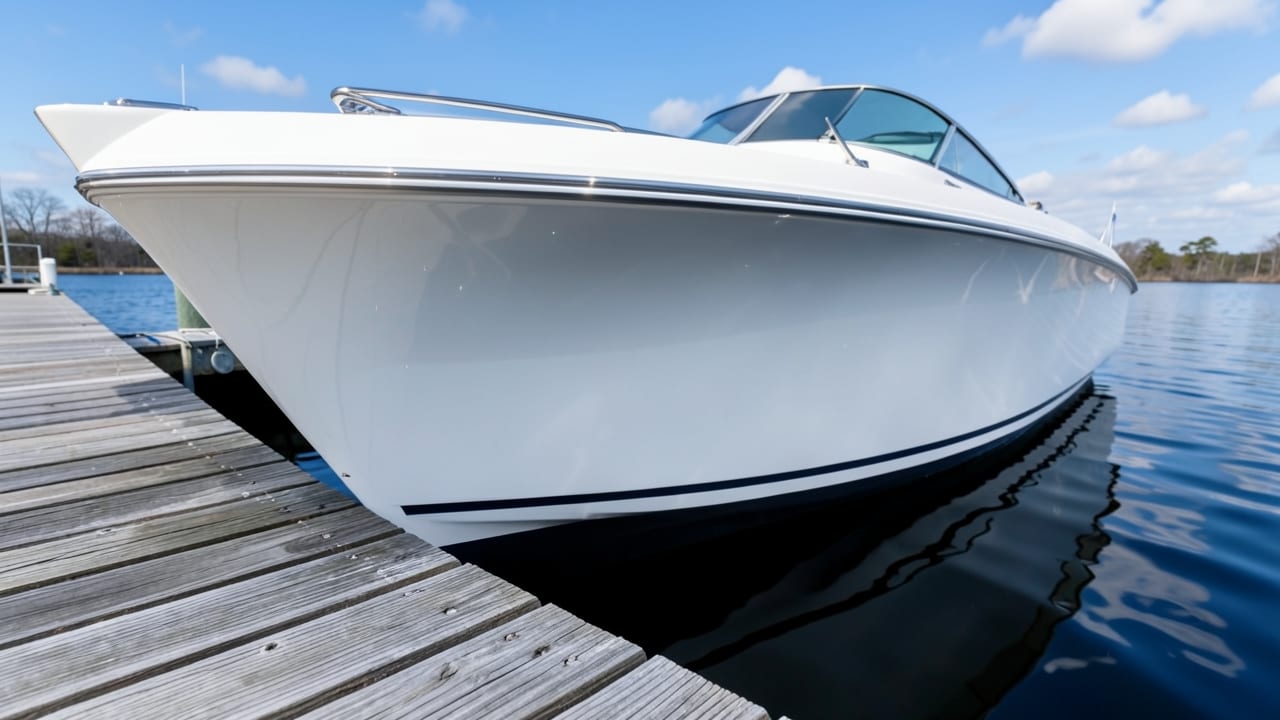
Boat Gelcoat Restoration
Restoring and protecting boat gelcoat with ceramic coatings to renew shine and durability.
Boat gelcoat restoration in Temple Terrace, FL, focuses on repairing and protecting the glossy finish of fiberglass boats exposed to saltwater, UV rays, and contaminants. Ceramic coatings are applied after restoring the surface to enhance durability and shine, addressing oxidation, fading, and minor damage common in the area’s marine environment.
When restoration is needed
Boat gelcoat shows signs it needs restoration when water no longer beads up but spreads unevenly across the surface. This indicates the protective layer has worn away, leaving the gelcoat vulnerable to further damage from sun, salt, and contaminants.
We also handle Fleet & Commercial Vehicle Coating and Graphene Coating for Temple Terrace vehicles.
Fine scratches or a dull, hazy appearance—especially after washing—are also clear indicators that restoration is due.
Temple Terrace’s climate accelerates wear, as UV exposure and saltwater exposure degrade gelcoat faster than in drier or freshwater environments. Ignoring these signs can lead to deeper oxidation or delamination, making restoration more difficult and costly over time.
Signs Your Boat Needs Gelcoat Restoration
- Water no longer beads up but spreads or absorbs into the surface instead.
- Visible fine scratches or swirl marks that appear under direct sunlight or raking light.
- A dull, hazy, or faded appearance that doesn’t improve after washing.
- Surface feels rough or bumpy when touched lightly with clean fingertips.
- Discoloration, yellowing, or white chalking from oxidation or salt exposure.
What affects restoration cost and timeline
The extent of surface damage—such as deep scratches, oxidation, or blistering—directly impacts both cost and time. Minor fading or light scratches require less correction work, while severe oxidation or delamination may need additional steps like sanding or filler application before coating.
The size of the boat also plays a role, as larger vessels require more materials and labor.
Environmental factors in Temple Terrace, like high humidity or saltwater exposure, can influence the drying and curing process. Coatings applied in controlled conditions—specific temperature and humidity ranges—typically cure more evenly, reducing the risk of streaks or uneven finishes.
Pre-existing contaminants or improper prep can also extend the timeline if corrections are needed.
| Factor | Impact on Cost | Impact on Timeline |
|---|---|---|
| Surface condition (scratches, oxidation, blisters) | Higher for severe damage; lower for cosmetic issues | Longer for extensive correction work |
| Boat size (small vs. large) | Larger boats require more materials/labor | Longer for larger surface areas |
| Contaminant levels (brake dust, tar, industrial fallout) | Higher if decontamination steps are skipped | Longer if clay bar or iron removal is needed |
| Seasonal conditions (humidity, temperature) | Controlled environments reduce risk of curing issues | May require adjustments for ideal application |
Why ceramic coatings matter for boats
Ceramic coatings provide a thin, durable layer that enhances UV resistance, reduces water absorption, and repels contaminants like salt and grime. For boats in Temple Terrace, this means less frequent cleaning and slower degradation from the area’s harsh marine environment.
Unlike traditional waxes or sealants, ceramic coatings bond directly to the gelcoat, offering longer-lasting protection.
However, coatings do not replace physical repairs for deep scratches or impact damage. They are designed to protect against light swirling, fading, and minor abrasions—not to stop rock chips or dents. Proper prep, including decontamination and paint correction, ensures the coating adheres evenly and performs as intended.
How boat gelcoat restoration works
Restoration begins with thorough cleaning and ends with a protective ceramic coating.
- 1Decontamination
A foam pre-wash removes loose dirt, followed by chemical treatments like iron removers and tar solvents to strip embedded contaminants. This step ensures no particles remain to cause scratching during later processes.
- 2Clay Bar Treatment
A lubricant and clay bar are used to physically remove bonded contaminants, such as overspray or industrial fallout. The surface is considered ready when it feels smooth to the touch under the lubricant.
- 3Paint Correction
Under raking light, swirl marks and light scratches are identified and corrected with a polishing compound. Skipping this step can lock imperfections into the coating, reducing its effectiveness.
- 4Coating Application
The ceramic coating is applied in a controlled environment, with panels cured undisturbed for the manufacturer’s specified time—typically 24–48 hours—to ensure proper bonding and hardness.
- 5Post-Cure Care
For the first week, the boat should be kept out of direct sun, rain, or automatic car washes. Using a two-bucket wash method with pH-neutral soap helps maintain the coating’s longevity.
Frequently asked questions
How do I know if my boat’s gelcoat needs restoration?
Look for water that no longer beads up, visible scratches under sunlight, or a dull, hazy appearance. Running clean fingertips across the surface can also reveal rough spots from contaminants.
Will a ceramic coating fix deep scratches or dents?
No, coatings are designed to protect against light swirling and UV damage, not to repair physical damage like deep scratches or dents. Those require mechanical repairs before coating.
How long does the restoration process take?
For minor issues, the process can take 1–2 days. Larger boats or severe damage may require 3–5 days, depending on drying and curing times in Temple Terrace’s climate.
Can I wash my boat immediately after the coating is applied?
No, the coating must cure undisturbed for the manufacturer’s recommended time—typically 24–48 hours. Washing too soon can cause water spots or compromise the finish.
Where Temple Terrace sits, and what the Census lists nearby
Temple Terrace sits in Florida, and the closest places listed in the U.S. Census Gazetteer are East Lake-Orient Park (2.7 miles south), University (4.2 miles northwest), Thonotosassa (4.8 miles east), Mango (5.5 miles southeast).
Within 25 miles of Temple Terrace the same source lists 65 distinct incorporated places and census-designated places.
Those figures matter for boat gelcoat restoration because they are straight-line distances between Census coordinate points: road mileage between Temple Terrace and East Lake-Orient Park runs longer than the 2.7 miles shown, which is why quotes for the same job differ between towns that look close together on a map.
Source: U.S. Census Bureau Gazetteer.
See Bloomingdale, FL for more, or discover our complete Temple Terrace service list in one place for our complete lineup.
Ready to get started?
Talk to a local ceramic coating pro in Temple Terrace — get a written quote.
Other Ceramic Coating Services in Temple Terrace
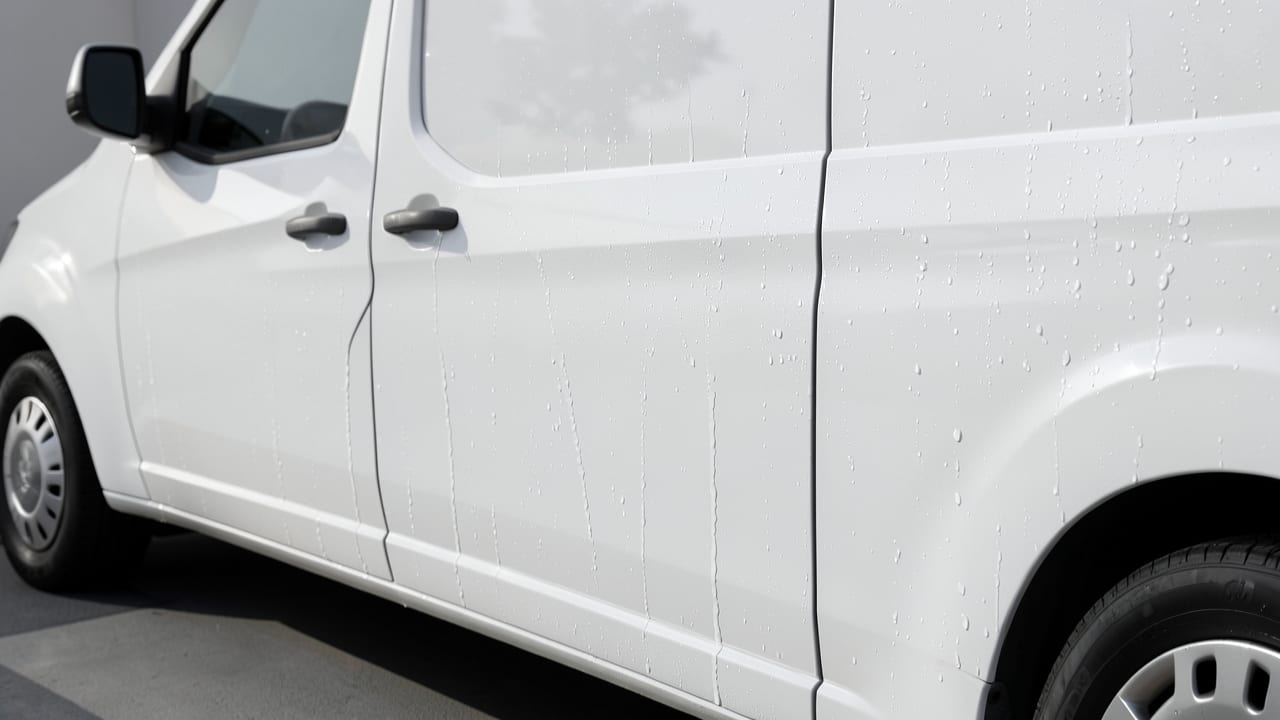
Fleet & Commercial Vehicle Coating in Temple Terrace, FL
Ceramic coating programs for fleets and commercial vehicles in Temple Terrace, FL — faster washing, longer-lasting branded wraps, and protected resale value.
Learn More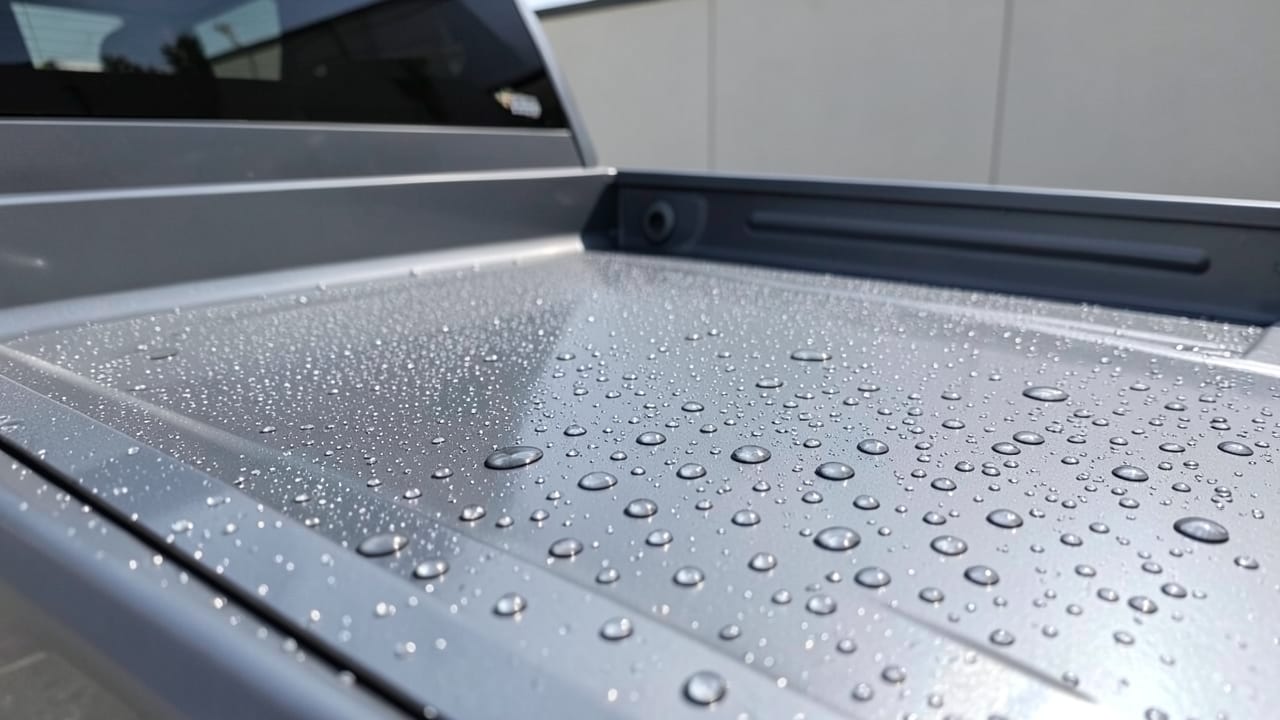
Graphene Coating in Temple Terrace, FL
Graphene coating in Temple Terrace, FL — a premium ceramic alternative with better heat rejection and hydrophobic durability.
Learn More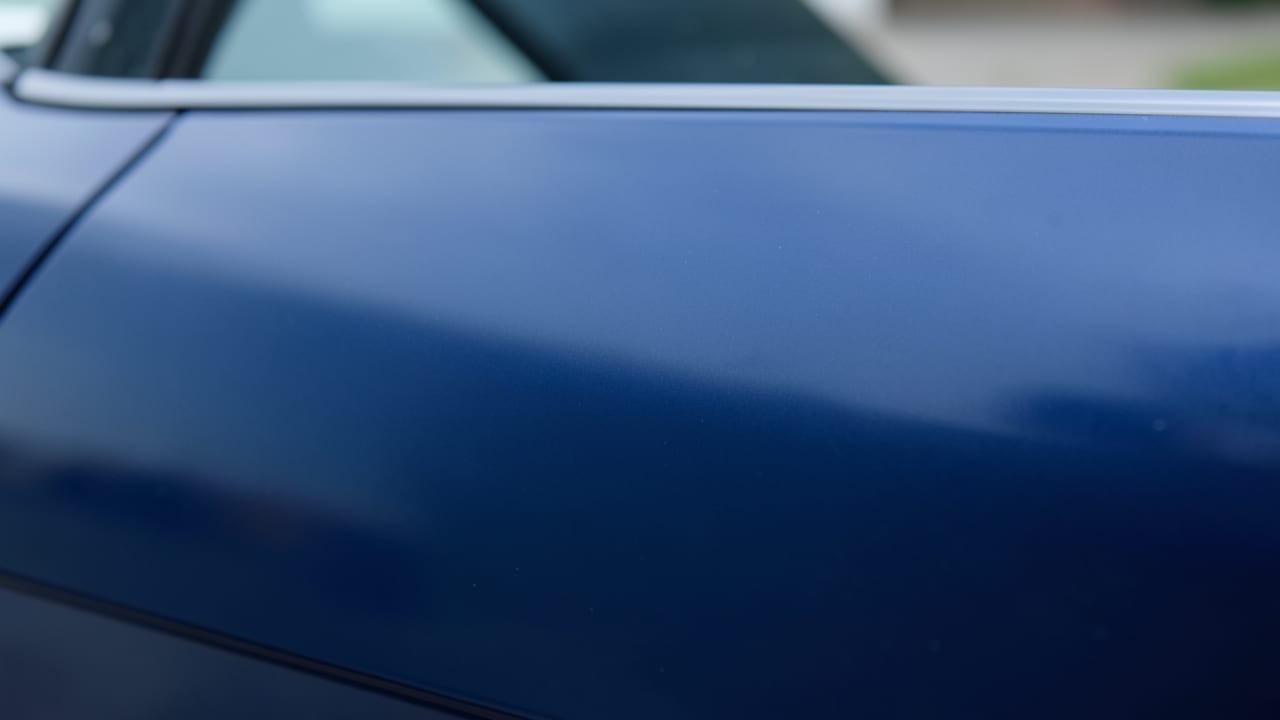
Clay Bar Paint Decontamination in Temple Terrace, FL
Clay bar paint decontamination in Temple Terrace, FL removes bonded surface contaminants a wash alone can't touch, before coating or correction.
Learn More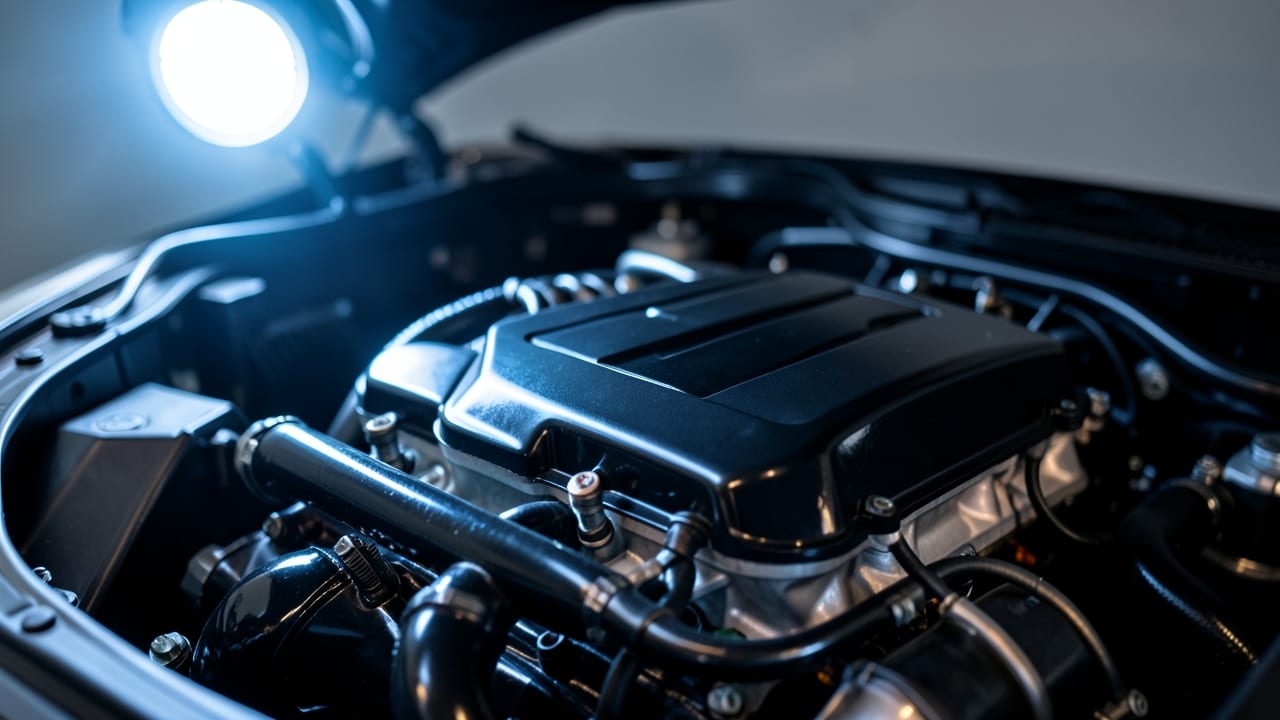
Engine Bay Detailing in Temple Terrace, FL
Engine bay detailing in Temple Terrace, FL — safe degreasing and dressing of the engine compartment without risking electrical components.
Learn More
Chrome Delete Pack in Temple Terrace, FL
Ceramic coating application for paint protection and enhanced vehicle appearance.
Learn More
Plastic Trim Restoration in Temple Terrace, FL
Restoring faded or discolored plastic trim with ceramic coatings or protective treatments.
Learn MoreCommon Questions About Ceramic Coating in Temple Terrace
Everything you need to know about ceramic coating services in Temple Terrace
How much does Boat Gelcoat Restoration typically cost in Temple Terrace, FL?
Does intense UV and dust in Temple Terrace, FL change coating maintenance?
Is ceramic coating ever covered by comprehensive auto insurance?
Can ceramic coating be applied over a vinyl wrap or matte paint?
What does proper paint prep before a ceramic coating actually involve?
How should a coated vehicle be washed after the coating is applied?
Need Ceramic Coating in Temple Terrace?
Get a written quote from our Temple Terrace crew.
⏰ We answer your call • Serving all of Temple Terrace and surrounding areas