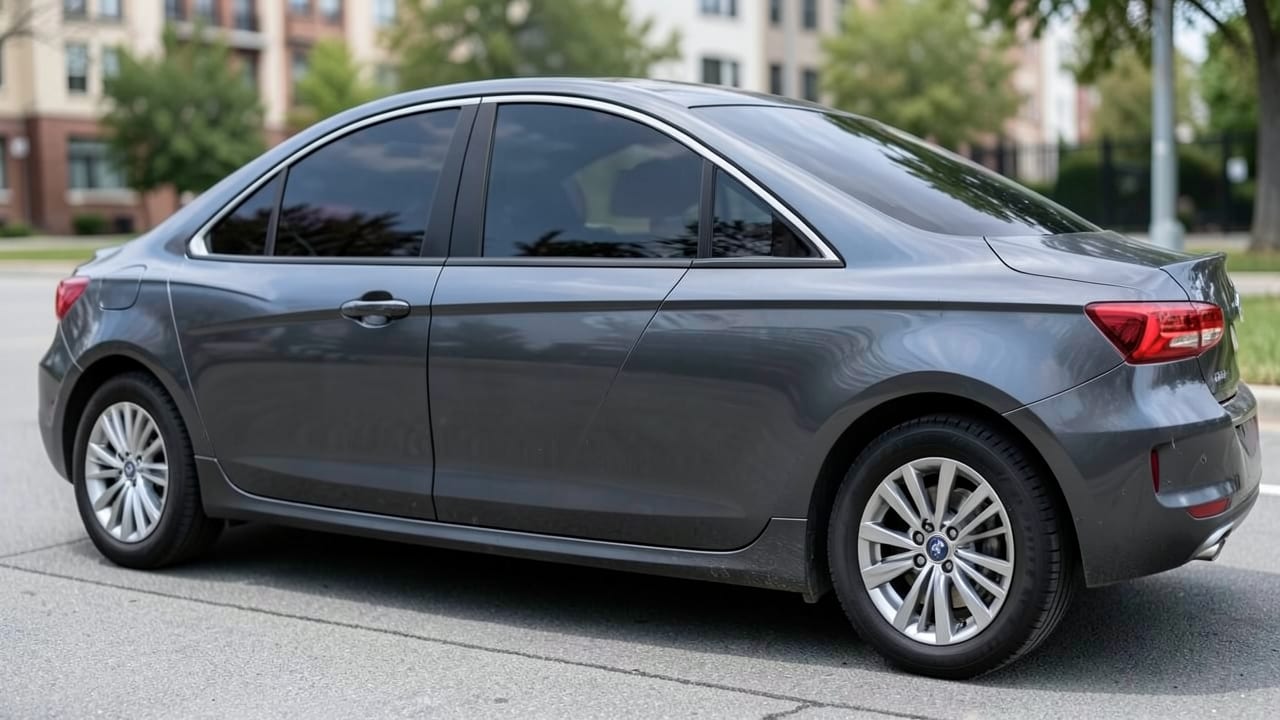
Ceramic Window Tint
Nano-ceramic window tint in Temple Terrace, FL — rejects heat and blocks 99% of UV without the signal interference or fading of cheaper films.
Ceramic window tinting in Temple Terrace, FL, uses nano-ceramic technology to block 99% of UV rays and reduce infrared heat without the signal interference or fading seen with cheaper films. This process is designed to improve comfort, protect interiors, and enhance privacy for your vehicle in the local climate.
What makes ceramic window tint different?
Ceramic window tint stands out from standard dyed or metalized films because it uses a nano-ceramic layer that rejects heat and UV rays without compromising visibility or electronic signals. Unlike dyed films, which fade over time, ceramic tint maintains its neutral appearance longer.
We also handle Full-Vehicle Ceramic Coating and Paint Correction & Polishing for Temple Terrace vehicles.
It’s also free from metal particles, so it won’t interfere with GPS, Bluetooth, or other electronic systems in your vehicle.
In Temple Terrace’s hot and sunny climate, this type of tint helps keep your car cooler by blocking a high percentage of infrared heat. The installation process is precise, ensuring no bubbles, uneven edges, or residue remain after application.
This attention to detail helps the tint last longer and perform as intended.
Signs your vehicle needs tinting or repair
Over time, window tint can degrade due to UV exposure, improper cleaning, or installation issues. Look for visible bubbles trapped under the film, especially when sunlight hits the window at an angle. Tint that shifts toward a purple or brownish tone may indicate UV breakdown, common in lower-quality dyed films.
Peeling at the edges or a hazy appearance, particularly at night, are also signs the tint may need attention.
If you notice these issues, it’s important to address them early. Bubbles or trapped moisture can worsen over time, and peeling edges allow dirt and moisture to get underneath, spreading the problem.
Proper maintenance, like using ammonia-free cleaners and keeping windows up during the cure period, helps extend the life of your tint.
Common Signs of Tint Wear or Failure
- Small bubbles scattered across the film, visible when sunlight hits at an angle
- Tint shifting toward purple or brownish tones (indicates UV damage in dyed films)
- Peeling starting at a corner or top edge, even slightly
- Hazy or reduced visibility, especially against oncoming headlights at night
Why proper installation matters
The quality of ceramic window tint installation directly impacts how well it performs and how long it lasts. A professional installer cleans each window thoroughly, removes old adhesive residue, and cuts the film to fit precisely.
The film is applied wet, allowing it to be repositioned until bubbles and moisture are fully squeegeed out. This step is critical—any trapped air or water can lead to bubbles that become more visible over time.
After application, the film requires a cure period, typically several days, before windows should be rolled down. Rushing this process can catch the edge of the film and peel it back, compromising the installation. Skipping proper prep steps, like decontamination or clay bar treatment, can also reduce the tint’s durability.
In Temple Terrace’s climate, where UV exposure is high, following these steps helps the tint hold up better over time.
Rolling windows down before the cure period is complete can peel the film edge. Using ammonia-based cleaners or rough cloths can degrade the adhesive and tint over time. Parking in direct sunlight for long periods accelerates UV damage, especially to lower-quality films.
How ceramic window tint installation works
- 1Thorough Glass Cleaning
Each window is cleaned inside and out with a dedicated glass cleaner. Razor scraping removes old adhesive residue or sticker film to ensure a smooth surface for the new tint. Any leftover residue can show through as imperfections under the film.
- 2Precision Pattern Cutting
The film is cut to match the exact shape of each window, either using a pre-programmed computer pattern or hand-cutting it against the glass itself. A small margin is left for trimming after application to ensure a flush fit.
- 3Wet Application and Squeegeeing
A slip solution is sprayed on the glass, and the film is applied while still repositionable. It’s squeegeed from the center outward to remove air bubbles and moisture, ensuring a smooth, bubble-free finish.
- 4Edge Trimming and Curing
The edges of the film are trimmed flush to the window’s rubber seal to avoid visible gaps. The film then enters a cure period, typically several days, during which windows should remain up to allow the adhesive to fully bond.
Frequently asked questions
How long does the ceramic window tint installation take?
The installation itself usually takes 2–4 hours, depending on the vehicle’s size and the number of windows. However, the film requires a cure period of several days before windows can be rolled down or cleaned, as rushing this can damage the edges.
Will ceramic tint interfere with my car’s electronics?
No, ceramic tint is free of metal particles, so it won’t interfere with GPS, Bluetooth, or other electronic systems in your vehicle. This makes it a safer choice for modern cars compared to metalized films.
Can I clean my windows normally after tinting?
It’s best to use an ammonia-free glass cleaner and a soft microfiber cloth to avoid degrading the adhesive or tint over time. Avoid harsh chemicals or abrasive materials that can scratch or damage the film.
Does ceramic tint fade over time?
Ceramic tint is more resistant to fading than dyed films, but prolonged UV exposure can still cause gradual degradation. Parking in shade or a garage when possible helps slow this process.
Where Temple Terrace sits, and what the Census lists nearby
Temple Terrace sits in Florida, and the closest places listed in the U.S. Census Gazetteer are East Lake-Orient Park (2.7 miles south), University (4.2 miles northwest), Thonotosassa (4.8 miles east), Mango (5.5 miles southeast).
Within 25 miles of Temple Terrace the same source lists 65 distinct incorporated places and census-designated places.
Those figures matter for ceramic window tint because they are straight-line distances between Census coordinate points: road mileage between Temple Terrace and East Lake-Orient Park runs longer than the 2.7 miles shown, which is why quotes for the same job differ between towns that look close together on a map.
Source: U.S. Census Bureau Gazetteer.
See Del Rio, FL for more, or discover the rest of our Temple Terrace lineup by neighborhood for our complete lineup.
Ready to get started?
Talk to a local ceramic coating pro in Temple Terrace — get a written quote.
Other Ceramic Coating Services in Temple Terrace
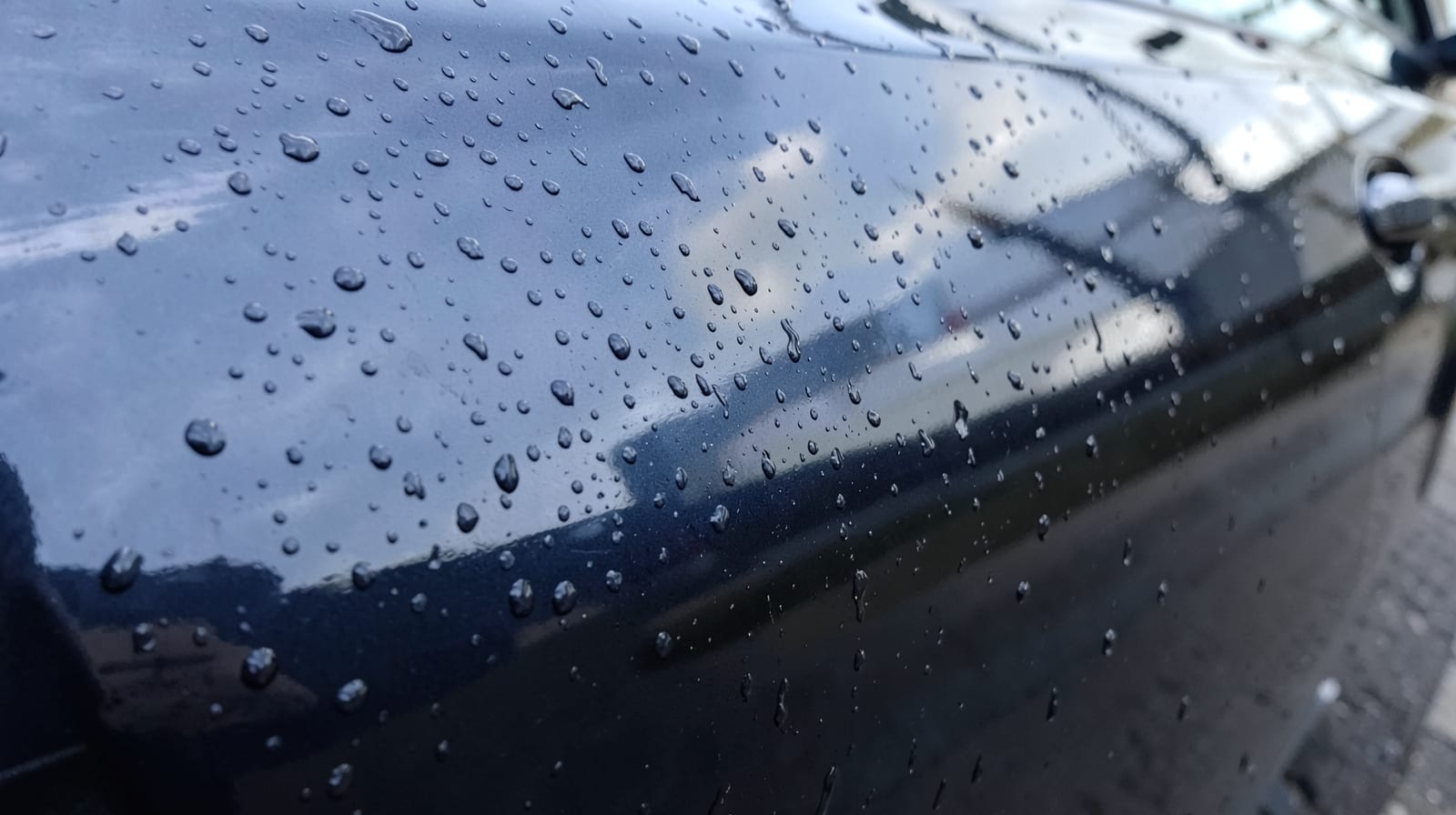
Full-Vehicle Ceramic Coating in Temple Terrace, FL
Professional nano-ceramic coating for vehicles in Temple Terrace, FL — a hard, semi-permanent SiO2 layer for deep gloss, strong hydrophobic protection, and easier washing.
Learn More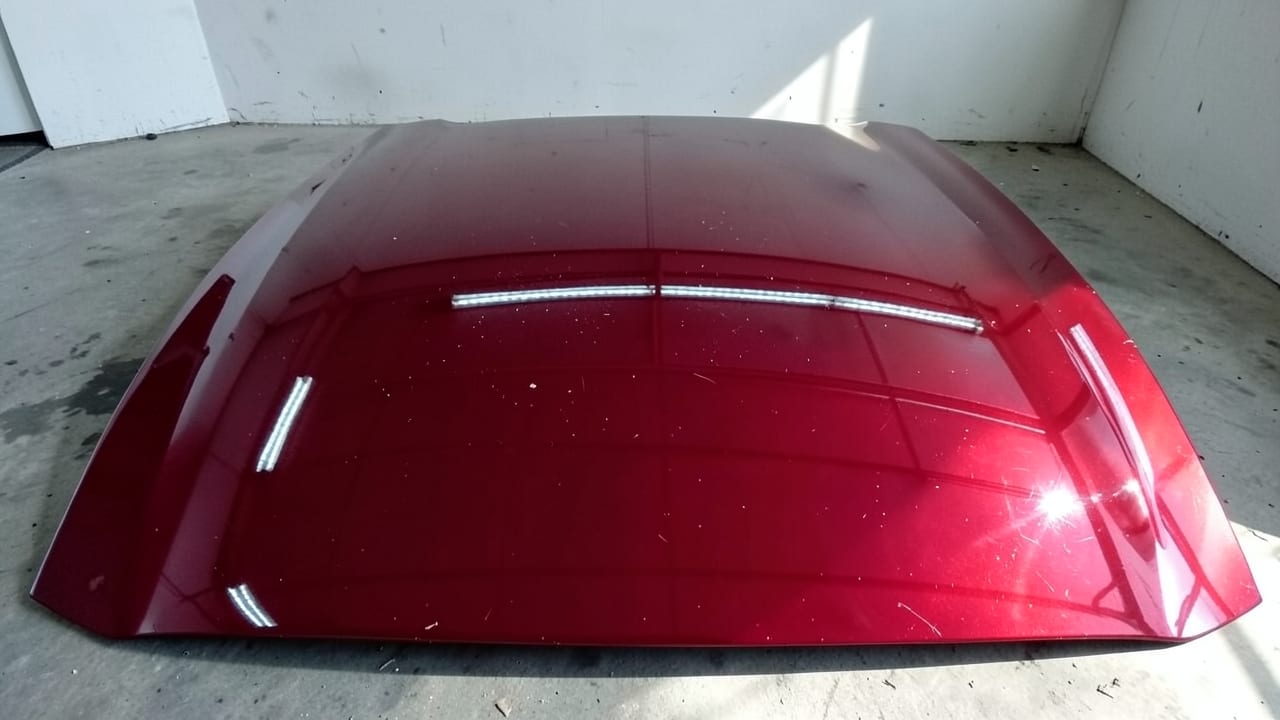
Paint Correction & Polishing in Temple Terrace, FL
Machine paint correction and polishing in Temple Terrace, FL — removes swirl marks, oxidation, and water spots, and is the mandatory first step before any ceramic coating.
Learn More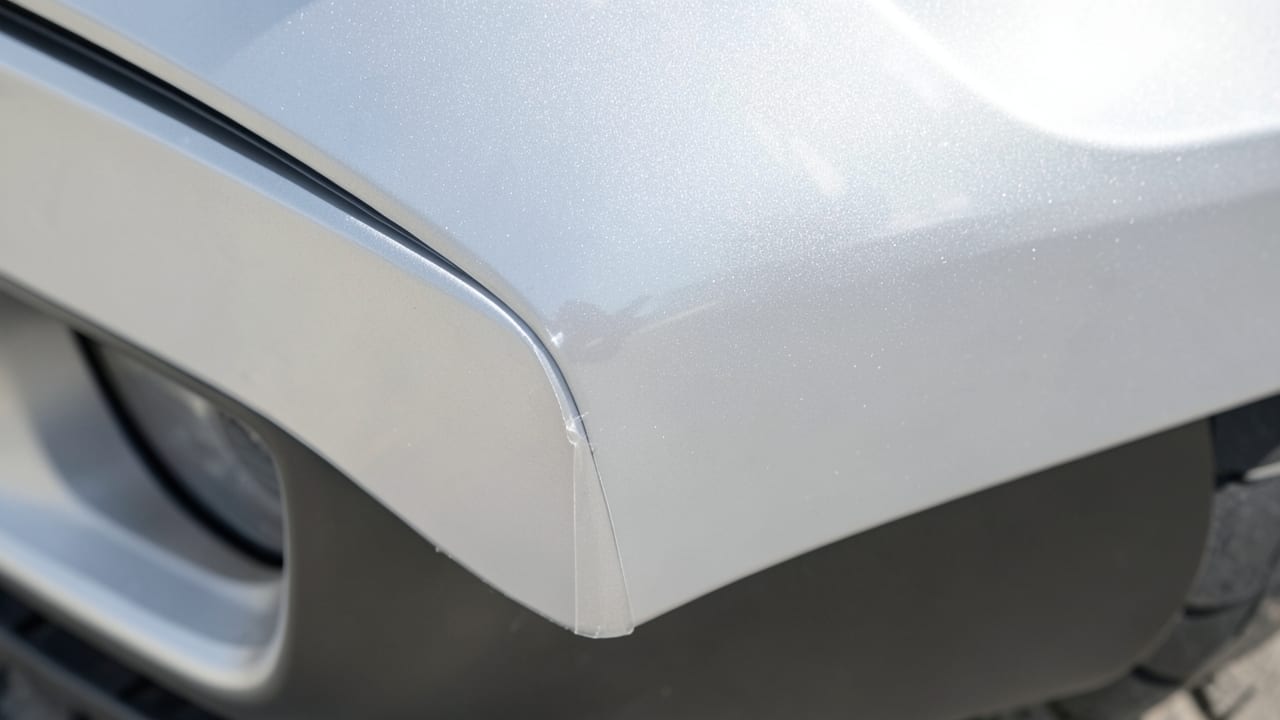
Paint Protection Film (PPF) Installation in Temple Terrace, FL
Self-healing clear PPF installation in Temple Terrace, FL for high-impact panels or a full-body wrap — real physical protection against rock chips and road debris.
Learn More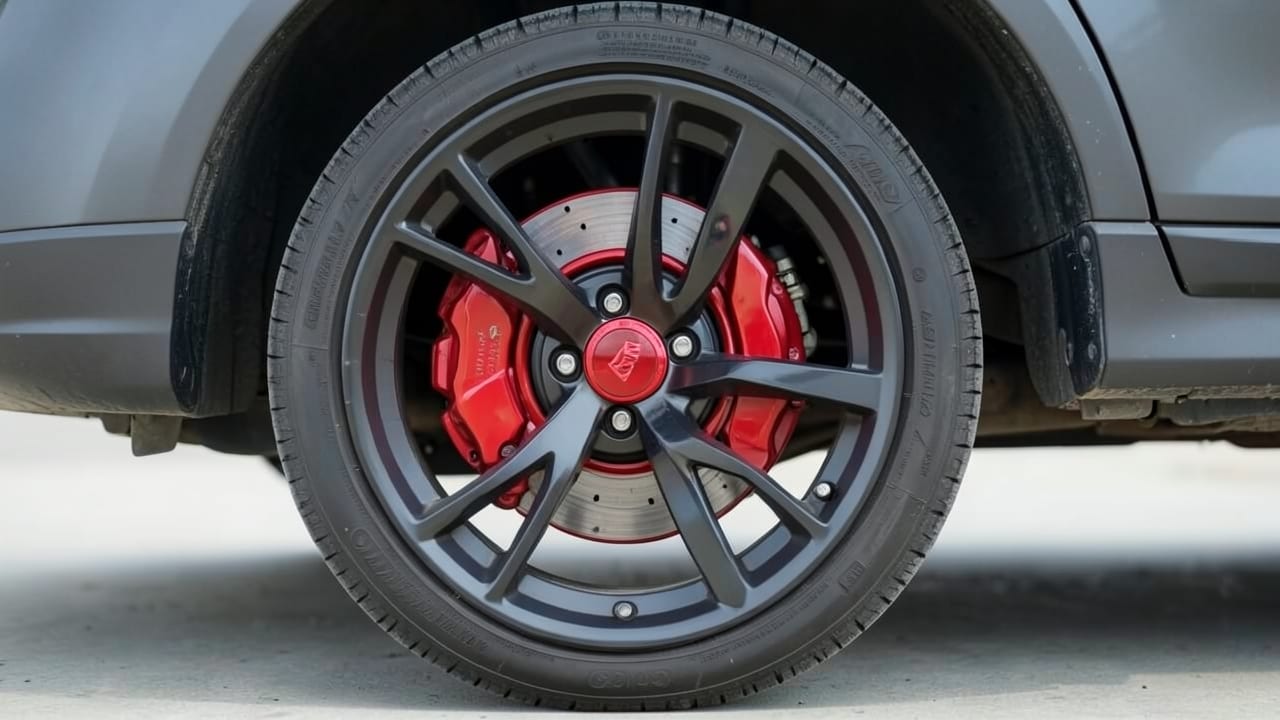
Wheel & Brake Caliper Ceramic Coating in Temple Terrace, FL
Dedicated ceramic coating for wheels and brake calipers in Temple Terrace, FL — stops brake dust and corrosive grime from bonding to the finish.
Learn More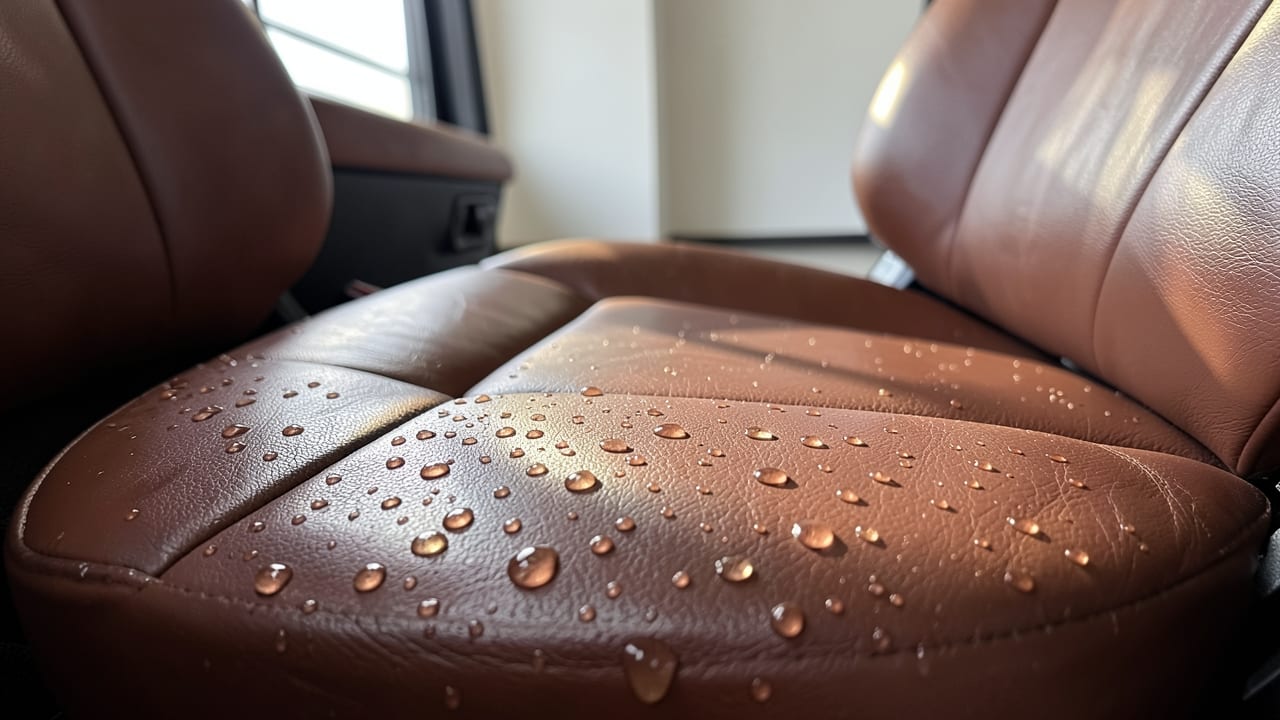
Interior Ceramic Protection in Temple Terrace, FL
Interior fabric, leather, and trim ceramic protection in Temple Terrace, FL — guards against spills, UV fading, and daily wear.
Learn More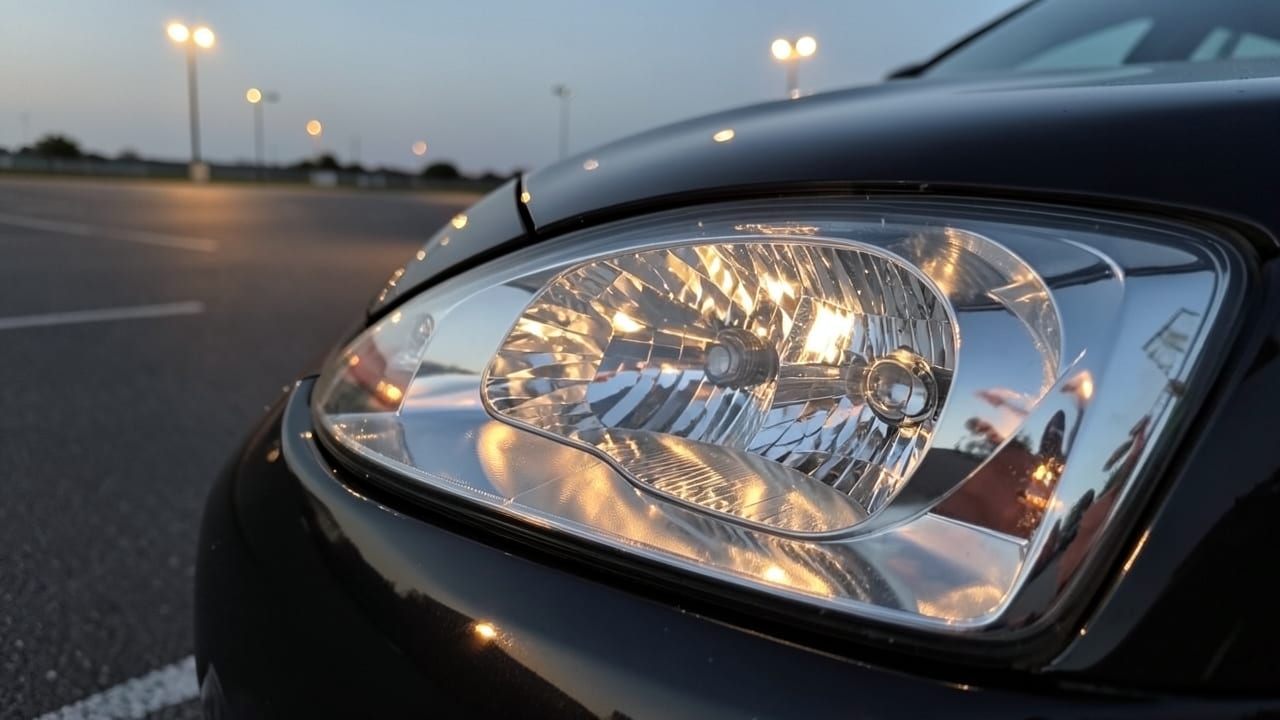
Headlight Restoration & Coating in Temple Terrace, FL
Headlight restoration and UV-protective coating in Temple Terrace, FL — restores clarity and nighttime visibility without replacing the assembly.
Learn MoreCommon Questions About Ceramic Coating in Temple Terrace
Everything you need to know about ceramic coating services in Temple Terrace
How much does Ceramic Window Tint typically cost in Temple Terrace, FL?
Does intense UV and dust in Temple Terrace, FL change coating maintenance?
Can ceramic coating be applied at home instead of by a detailing shop?
How long does a ceramic coating actually last in real-world use?
What is the difference between graphene and SiO2 ceramic coatings?
Does a ceramic coating need to be topped up over time?
Need Ceramic Coating in Temple Terrace?
Get a written quote from our Temple Terrace crew.
⏰ We answer your call • Serving all of Temple Terrace and surrounding areas