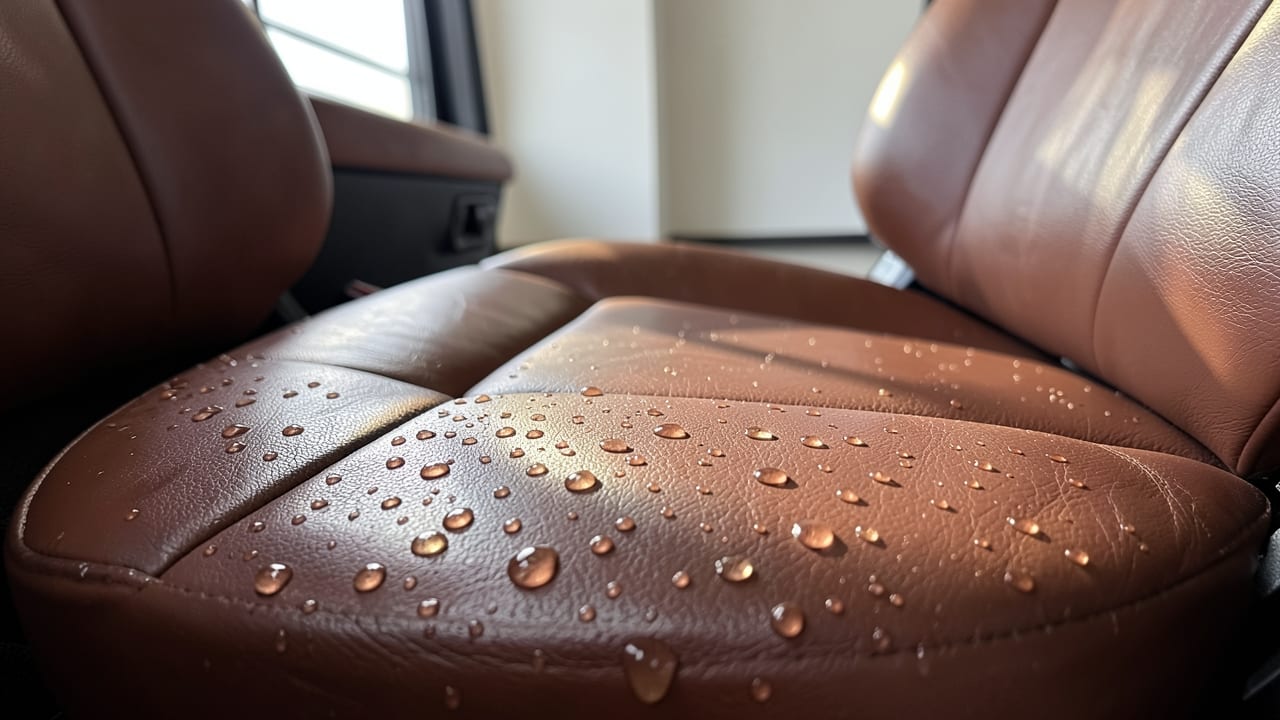
Interior Ceramic Protection
Interior fabric, leather, and trim ceramic protection in Temple Terrace, FL — guards against spills, UV fading, and daily wear.
Interior ceramic protection in Temple Terrace, FL, restores and safeguards the surfaces inside your vehicle that endure the most wear—dashboards, door panels, and center consoles. Unlike exterior coatings, this service targets the buildup of oils, UV fading, and daily friction that dull and degrade interior finishes over time.
The process includes thorough cleaning, decontamination, and a protective layer to extend the life of your car’s interior surfaces.
We also handle Chrome Delete Pack and Plastic Trim Restoration for Temple Terrace vehicles.
Why your vehicle’s interior needs protection
Interior surfaces in Temple Terrace’s humid climate and high UV exposure degrade faster than many drivers realize. Body oils, spills, and friction from keys or hands create a dull, worn look over time.
A ceramic coating helps resist these daily stresses, making surfaces easier to clean and preserving their original finish longer.
Signs your interior may need protection include a hazy or matte appearance after cleaning, visible scratches under direct light, or surfaces that no longer repel water smoothly. These issues often start small but worsen if left unaddressed, especially in areas like the dashboard and steering wheel.
Signs Your Interior Needs Ceramic Protection
- Water no longer beads up on surfaces—it spreads or absorbs instead of rolling off.
- Fingerprints, oils, or spills leave visible marks that don’t wipe away easily.
- Surfaces feel rough or gritty when touched, rather than smooth.
- UV fading or discoloration is visible on light-colored plastics or leather.
- Scratches or swirls appear under direct sunlight or a flashlight at an angle.
What affects the process and results
The effectiveness of interior ceramic protection depends on the current condition of the surfaces and the level of buildup. Older interiors with deep scratches or embedded contaminants may require additional prep work, such as polishing or clay bar treatment, before coating.
The type of materials—plastic, leather, or composite—also influences the coating process and the products used.
Environmental factors in Temple Terrace, like humidity and temperature, play a role in how the coating cures. Proper curing conditions ensure the coating bonds evenly and lasts longer. Post-application care, such as avoiding water exposure during the cure period and using gentle cleaning methods, helps maintain the finish.
| Factor | Impact on Process | Typical Solution |
|---|---|---|
| Surface Contaminants | Embedded dirt or oils prevent proper bonding. | Decontamination with iron remover and clay bar treatment. |
| Material Type | Plastics, leather, and composites require different prep. | Specialized cleaners and coatings tailored to the material. |
| Humidity/Temperature | High humidity or extreme temps can affect cure time. | Controlled application environment, 50-80% humidity, 60-85°F. |
| Existing Damage | Deep scratches or etching may not be fully covered. | Polishing or correction before coating application. |
What to expect during the service
The process begins with a deep clean to remove all surface contaminants, followed by decontamination to prepare the material for coating. The coating itself is applied in a controlled environment to ensure even coverage and proper curing.
Unlike exterior coatings, interior protection focuses on functional surfaces like dashboards and door panels, where wear and tear are most noticeable.
After coating, the vehicle must remain undisturbed for the cure period, typically 24-48 hours, to avoid water spots or uneven drying. Proper care during this time—such as parking in shade and avoiding automatic car washes—helps the coating achieve its full hardness and durability.
How interior ceramic protection works
- 1Deep Cleaning
The interior surfaces are thoroughly cleaned using a foam wash and specialized mitts to avoid cross-contamination between panels. Wheel and tire areas are cleaned separately to prevent brake dust from transferring to the interior.
- 2Decontamination
Chemical treatments like iron removers and tar solvents are applied to strip embedded contaminants from plastics and composites. A clay bar or mitt is then used to physically remove remaining bonded particles, ensuring a smooth surface.
- 3Surface Prep
Panels are inspected for scratches or swirl marks, which are corrected with a polishing compound if needed. Any residue from polishing is wiped away with isopropyl alcohol to prepare the surface for coating.
- 4Coating Application
The ceramic coating is applied panel by panel in a dust-free environment, with controlled humidity and temperature to ensure proper bonding. The vehicle is left undisturbed during the cure period.
- 5Post-Care Instructions
After curing, the vehicle should avoid water exposure for the first few days. Gentle cleaning methods, such as a two-bucket wash with pH-neutral soap, help maintain the coating’s longevity.
Frequently asked questions
Will interior ceramic protection fix deep scratches or etching on my dashboard?
Ceramic coatings add a protective layer but do not fill in deep scratches or etching. Light surface scratches may appear less noticeable, but deeper damage often remains visible. Polishing or correction before coating can improve the finish.
How long does the interior ceramic coating last?
The lifespan of an interior coating depends on maintenance, environmental factors, and how much wear the surfaces endure. Typically, it lasts 2-5 years under normal use, with proper care extending its effectiveness.
Can I wash my car normally after the coating is applied?
For the first few weeks, avoid automatic car washes with spinning brushes and use a two-bucket wash method with pH-neutral soap. After the cure period, gentle cleaning helps preserve the coating’s durability.
Does the coating work on leather or only plastic surfaces?
Interior ceramic coatings are designed for plastics, composites, and some synthetic materials. Leather requires specialized treatments, and the coating may not adhere as effectively. Always confirm compatibility with the service provider.
Where Temple Terrace sits, and what the Census lists nearby
Temple Terrace sits in Florida, and the closest places listed in the U.S. Census Gazetteer are East Lake-Orient Park (2.7 miles south), University (4.2 miles northwest), Thonotosassa (4.8 miles east), Mango (5.5 miles southeast).
Within 25 miles of Temple Terrace the same source lists 65 distinct incorporated places and census-designated places.
Those figures matter for interior ceramic protection because they are straight-line distances between Census coordinate points: road mileage between Temple Terrace and East Lake-Orient Park runs longer than the 2.7 miles shown, which is why quotes for the same job differ between towns that look close together on a map.
Source: U.S. Census Bureau Gazetteer.
See Valrico, FL for more, or browse every option available in Temple Terrace on a single page for our complete lineup.
Ready to get started?
Talk to a local ceramic coating pro in Temple Terrace — get a written quote.
Other Ceramic Coating Services in Temple Terrace
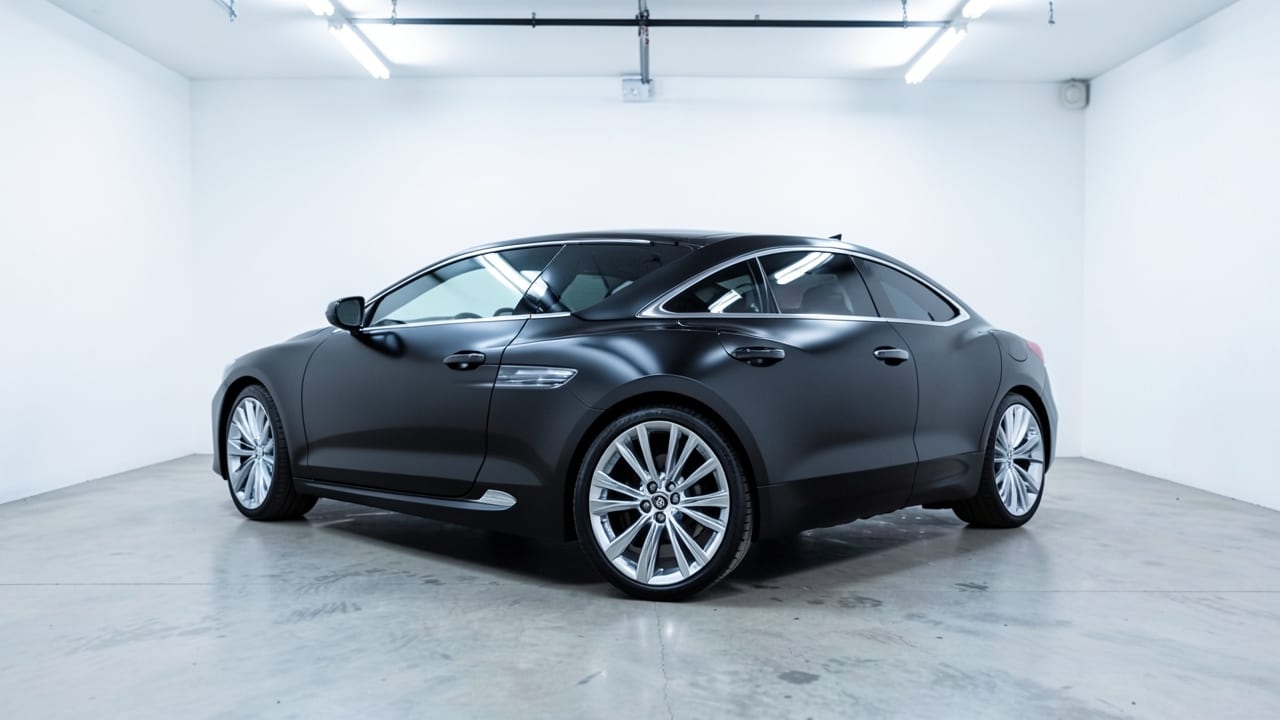
Chrome Delete Pack in Temple Terrace, FL
Ceramic coating application for paint protection and enhanced vehicle appearance.
Learn More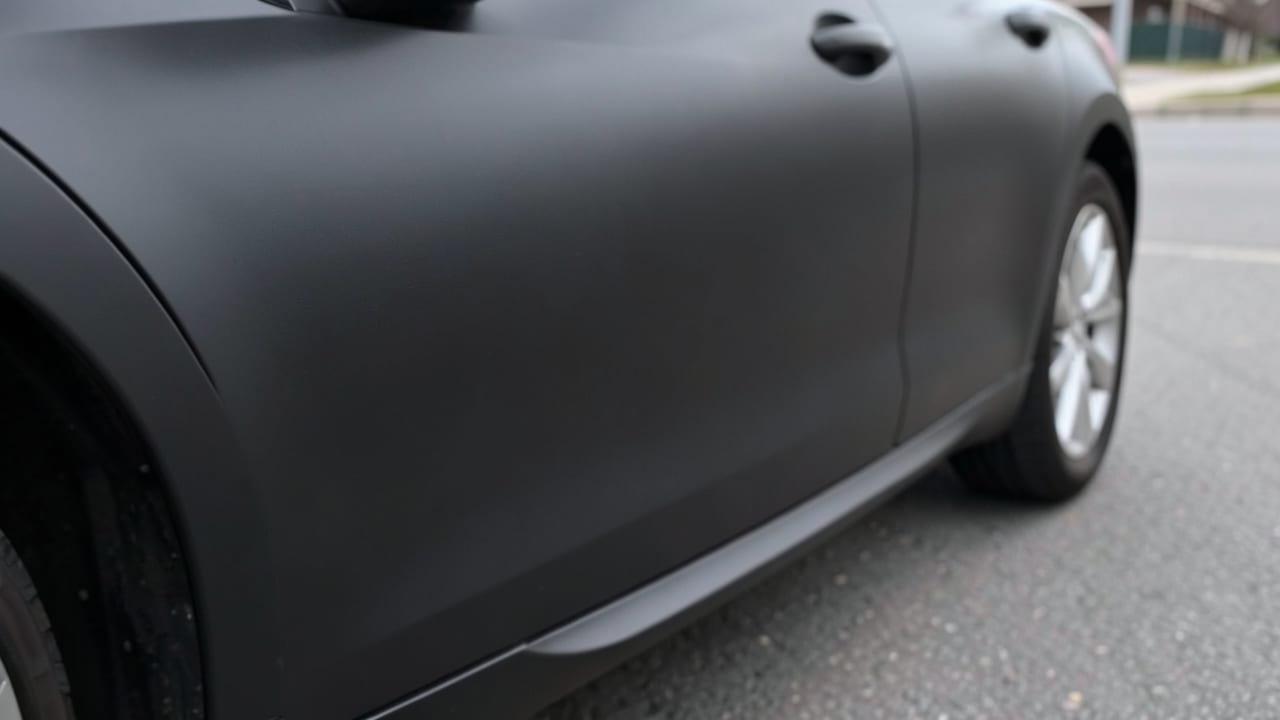
Plastic Trim Restoration in Temple Terrace, FL
Restoring faded or discolored plastic trim with ceramic coatings or protective treatments.
Learn More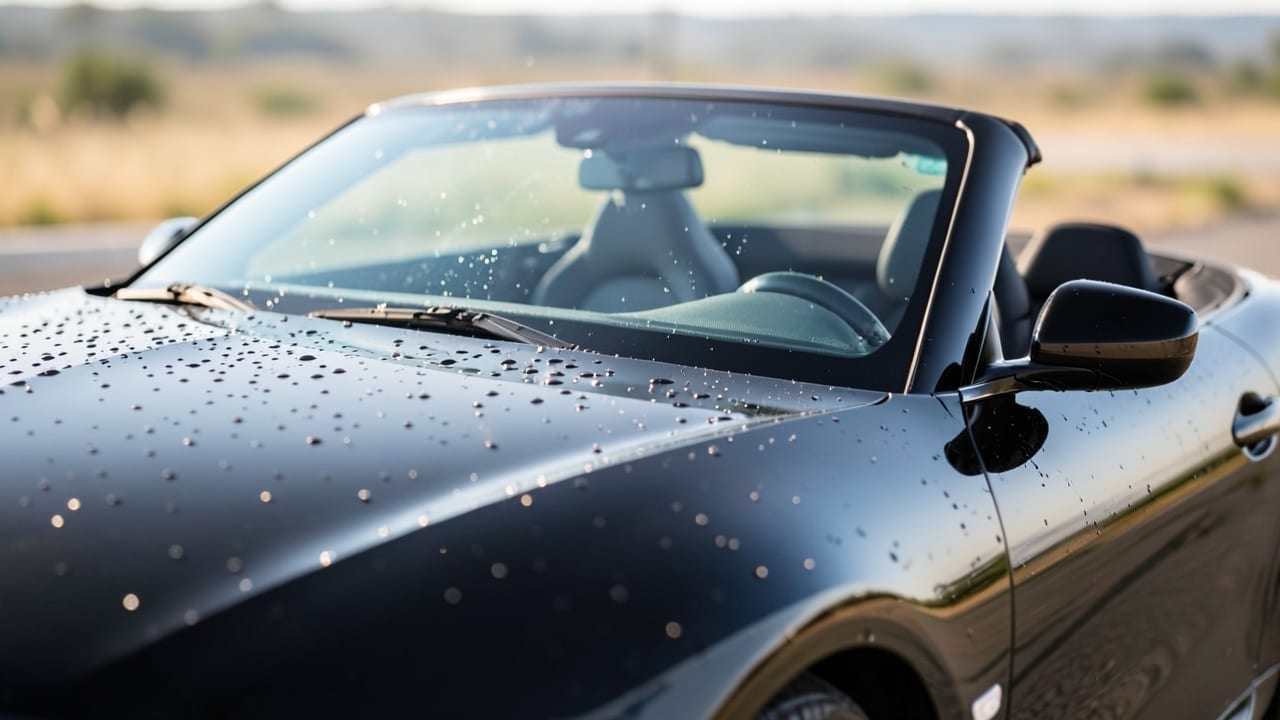
Convertible Top Protection in Temple Terrace, FL
Ceramic coating and protective treatments applied to convertible tops for durability and UV resistance.
Learn More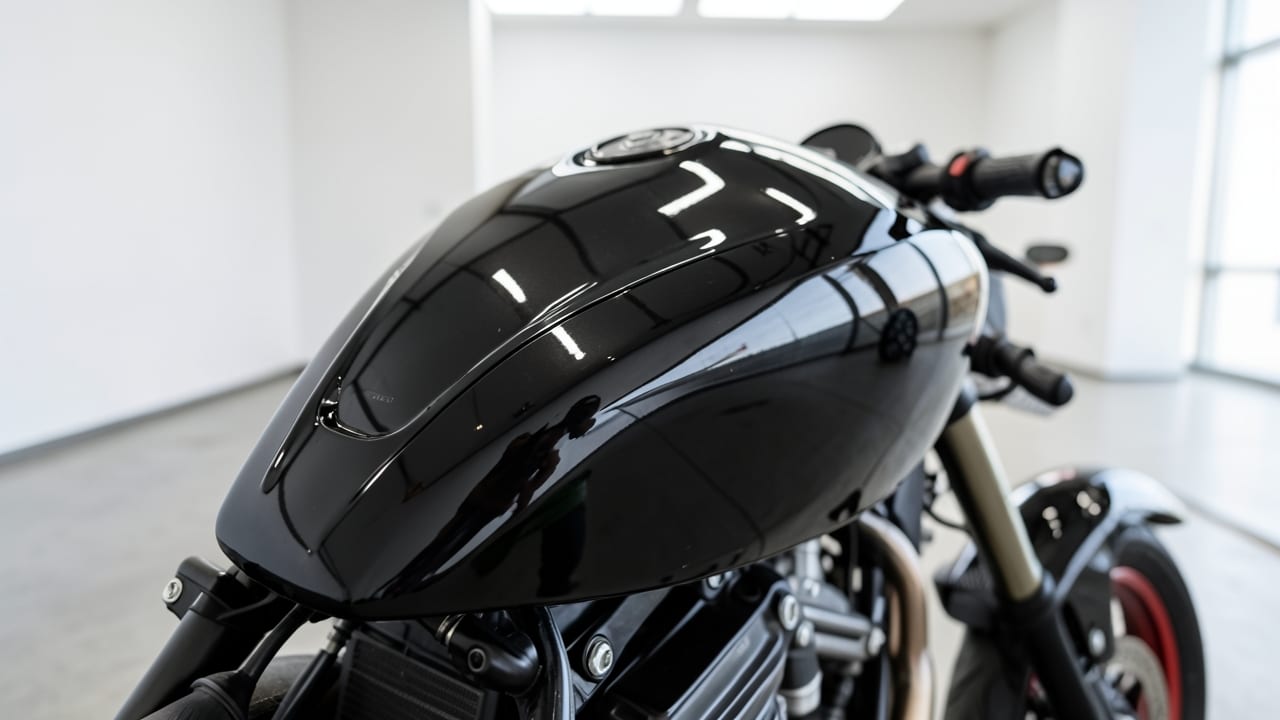
Motorcycle Ceramic Coating in Temple Terrace, FL
Professional application of ceramic coating to protect motorcycle paint and surfaces from damage.
Learn More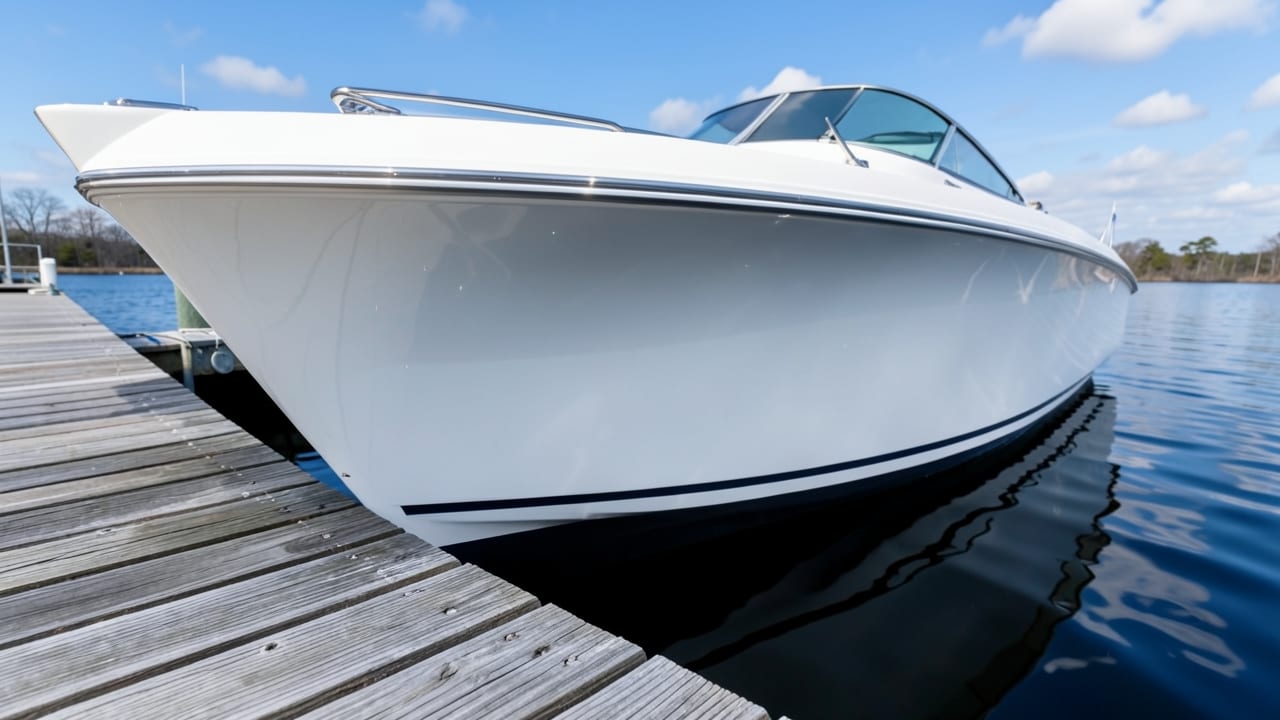
Boat Gelcoat Restoration in Temple Terrace, FL
Restoring and protecting boat gelcoat with ceramic coatings to renew shine and durability.
Learn More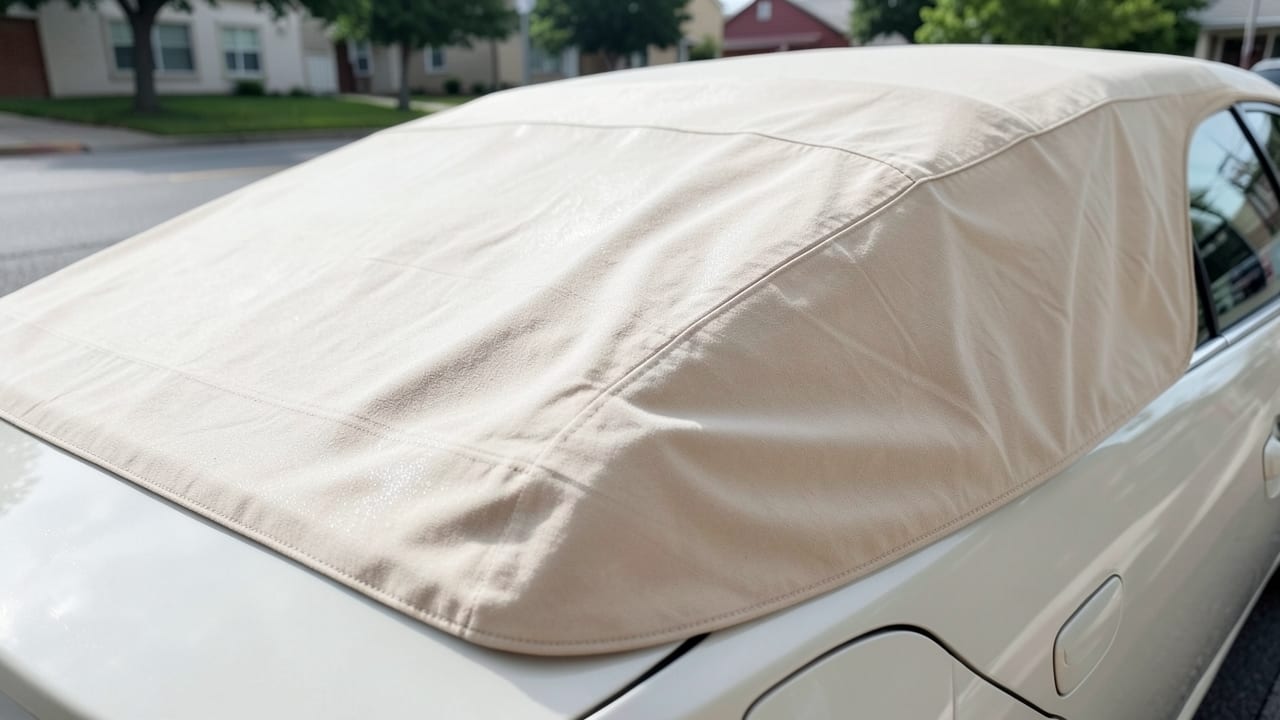
Fabric Soft Top Coating in Temple Terrace, FL
Application of ceramic coating to protect and enhance fabric soft tops on vehicles.
Learn MoreCommon Questions About Ceramic Coating in Temple Terrace
Everything you need to know about ceramic coating services in Temple Terrace
How much does Interior Ceramic Protection typically cost in Temple Terrace, FL?
Does intense UV and dust in Temple Terrace, FL change coating maintenance?
Can ceramic coating be applied over a vinyl wrap or matte paint?
What does proper paint prep before a ceramic coating actually involve?
How should a coated vehicle be washed after the coating is applied?
Will a ceramic coating stop rock chips or scratches?
Need Ceramic Coating in Temple Terrace?
Get a written quote from our Temple Terrace crew.
⏰ We answer your call • Serving all of Temple Terrace and surrounding areas