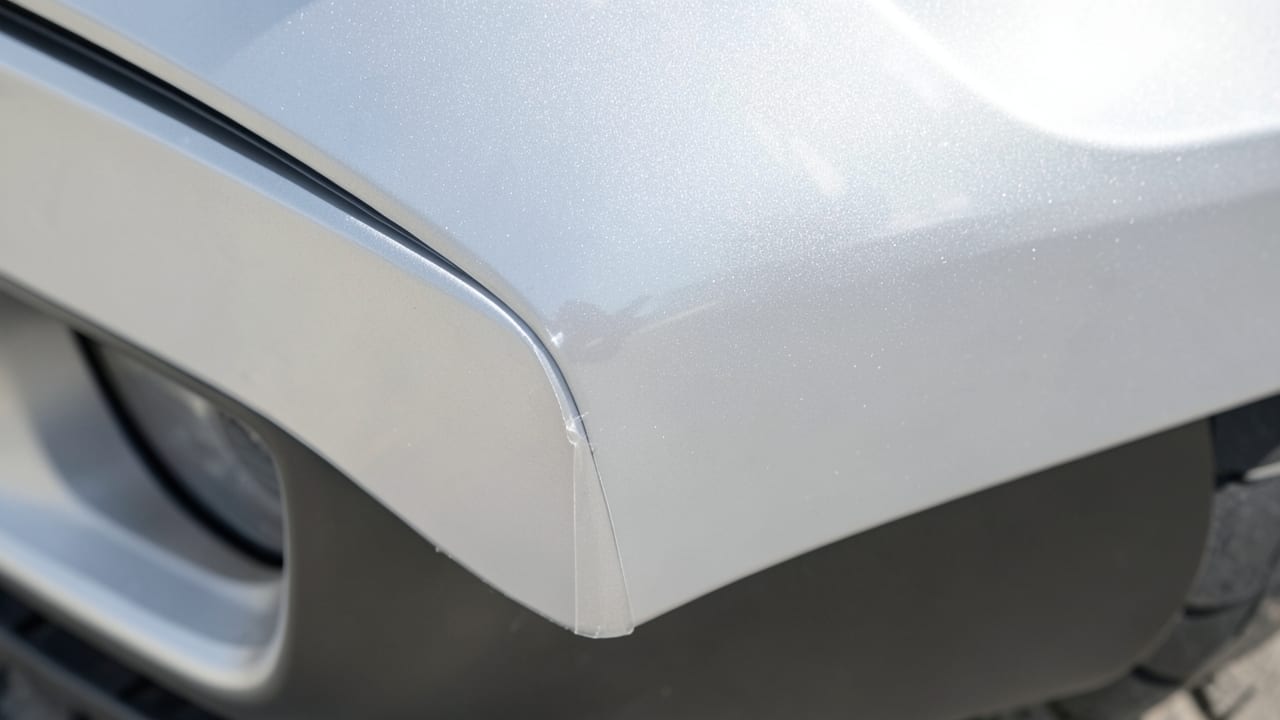
Paint Protection Film (PPF) Installation
Self-healing clear PPF installation in Temple Terrace, FL for high-impact panels or a full-body wrap — real physical protection against rock chips and road debris.
Paint Protection Film (PPF) installation in Temple Terrace, FL, adds a clear, self-healing layer to your vehicle’s most vulnerable areas—hoods, bumpers, fenders, and mirrors—to shield against rock chips, scratches, and UV damage.
The process involves precise surface prep, custom film cutting, and meticulous edge sealing to ensure durability. Coverage extends to nearby Tampa-area towns, with each installation tailored to your vehicle’s specific needs.
We also handle Pre-Event Showroom Gloss Enhancement and Full-Vehicle Ceramic Coating for Temple Terrace vehicles.
What PPF protects—and what it doesn’t
PPF is designed to guard against light abrasions, such as pebbles kicked up by traffic or minor road debris. It won’t stop deep scratches or dents from impacts, but it can reduce the visibility of smaller chips and swirls.
The film’s self-healing properties help restore clarity after minor damage, though severe punctures may require repair.
Edges and high-wear zones—like the front edge of a hood or the leading edge of a mirror—are the first areas to show signs of wear. These spots need regular checks, as trapped dirt or moisture under the film can accelerate degradation.
Unlike a full ceramic coating, PPF doesn’t add gloss or depth to the paint; its purpose is protection, not enhancement.
Signs Your Vehicle Needs PPF
- Repeated small chips or scratches on the hood, bumpers, or mirrors—common in Temple Terrace’s mixed urban and highway traffic.
- Fading or dulling of paint in sun-exposed areas, indicating UV damage over time.
- Visible swirl marks or haze on the paint, which PPF can’t correct but can help prevent from worsening.
- A history of parking near construction zones, busy roads, or areas with loose gravel.
How surface prep affects longevity
Skipping steps like clay bar decontamination or iron remover leaves contaminants trapped under the film, which can cause bubbles, streaks, or premature yellowing. The prep process for PPF is identical to that for ceramic coatings: washing, claying, and alcohol wiping to remove wax, oils, and embedded particles.
Any dirt sealed under the film stays there permanently.
Even after application, edges are the weakest points. A high-pressure wash aimed directly at seams or an automatic car wash brush catching an unwrapped edge can force water underneath, leading to peeling. Proper edge wrapping and a full cure period—typically 48 hours—help prevent this.
| Prep Step | Why It Matters | What Happens If Skipped |
|---|---|---|
| Clay Bar Decontamination | Removes embedded contaminants like tar, industrial fallout, or tree sap. | Trapped particles create permanent bumps or streaks under the film. |
| Iron Remover Application | Neutralizes iron particles that cause swirl marks when buffed. | Film bonds over swirls, locking them in permanently. |
| Isopropyl Alcohol Wipe | Eliminates oils, waxes, and residue from prior cleaning. | Leftover contaminants cause adhesion issues or bubbles. |
| Panel Inspection for Damage | Checks for existing dents or scratches that could affect fitment. | Film may not conform properly, leading to gaps or premature wear. |
Maintenance to extend film life
PPF isn’t maintenance-free, but regular care can delay wear. Avoid washing with abrasive brushes or high-pressure wands aimed at edges, and use a pH-balanced automotive soap. Hand-washing is ideal during the first 72 hours to prevent disturbing uncured edges.
Inspect edges and high-wear zones monthly for trapped air bubbles, peeling, or yellowing. A small blister or curl caught early can often be resealed before it spreads. UV exposure accelerates film breakdown, so parking in shaded areas or using sunshades helps preserve clarity.
Washing before the film has fully cured (typically 48–72 hours) can lift edges. Applying ceramic topper over PPF too soon may trap moisture between layers. Never use household cleaners, bleach, or degreasers—they degrade the film’s self-healing properties.
How PPF installation works
A PPF installation balances precision cutting with flexible application techniques to ensure a seamless, durable finish.
- 1Surface Prep and Decontamination
The panel is washed, clay-barred, and treated with iron remover to eliminate contaminants. Any dirt or wax left behind becomes permanently trapped under the film, causing visible bumps or streaks.
- 2Film Cutting and Plotting
Film is either cut from a digital pattern matched to the vehicle’s exact panel shapes or hand-plotted directly onto the panel. A squeegee trims edges to conform to curves and body lines, ensuring a clean fit.
- 3Wet Application and Bubble Removal
A slip solution allows the film to be repositioned before it sets. Air bubbles and wrinkles are worked out with a squeegee, and edges are tucked or wrapped to prevent lifting.
- 4Heat Setting and Final Squeegee Pass
A heat gun conforms the film to curves, and a final squeegee pass removes excess slip solution and trapped air, leaving the film flat against the paint.
- 5Cure and Edge Inspection
The film cures fully before washing, and edges are checked for proper sealing. Unsealed edges are the most common failure point and must be addressed before regular use.
Frequently asked questions
Will PPF make my car’s paint look glossier or darker?
No, PPF is a clear film and doesn’t alter the paint’s appearance. Its purpose is protection, not enhancement. If you want added gloss or depth, a ceramic coating would be a better choice—but it won’t stop rock chips like PPF does.
How long does PPF typically last before needing replacement?
Longevity depends on traffic conditions, UV exposure, and maintenance. In Temple Terrace’s mixed urban and highway environment, PPF often lasts 5–7 years on high-wear areas like the hood or bumpers, while lower-impact zones may last longer. Edges and seams show wear first.
Can PPF be applied over existing paint damage, or should I fix swirls first?
PPF can be applied over minor swirls, but deep scratches or dents may affect how the film fits. Locking swirls under the film prevents future correction. For severe damage, paint correction before PPF installation ensures the best possible finish.
What’s the difference between PPF and a ceramic coating?
PPF is a physical barrier against impacts like rock chips, while ceramic coatings add hardness to resist swirls and UV fading. PPF is more durable for high-impact areas, but coatings can enhance gloss. Neither stops deep scratches or dents.
Where Temple Terrace sits, and what the Census lists nearby
Temple Terrace sits in Florida, and the closest places listed in the U.S. Census Gazetteer are East Lake-Orient Park (2.7 miles south), University (4.2 miles northwest), Thonotosassa (4.8 miles east), Mango (5.5 miles southeast).
Within 25 miles of Temple Terrace the same source lists 65 distinct incorporated places and census-designated places.
Those figures matter for paint protection film (ppf) installation because they are straight-line distances between Census coordinate points: road mileage between Temple Terrace and East Lake-Orient Park runs longer than the 2.7 miles shown, which is why quotes for the same job differ between towns that look close together on a map.
Source: U.S. Census Bureau Gazetteer.
See Northdale, FL for more, or see our complete Temple Terrace service list in detail for our complete lineup.
Ready to get started?
Talk to a local ceramic coating pro in Temple Terrace — get a written quote.
Other Ceramic Coating Services in Temple Terrace
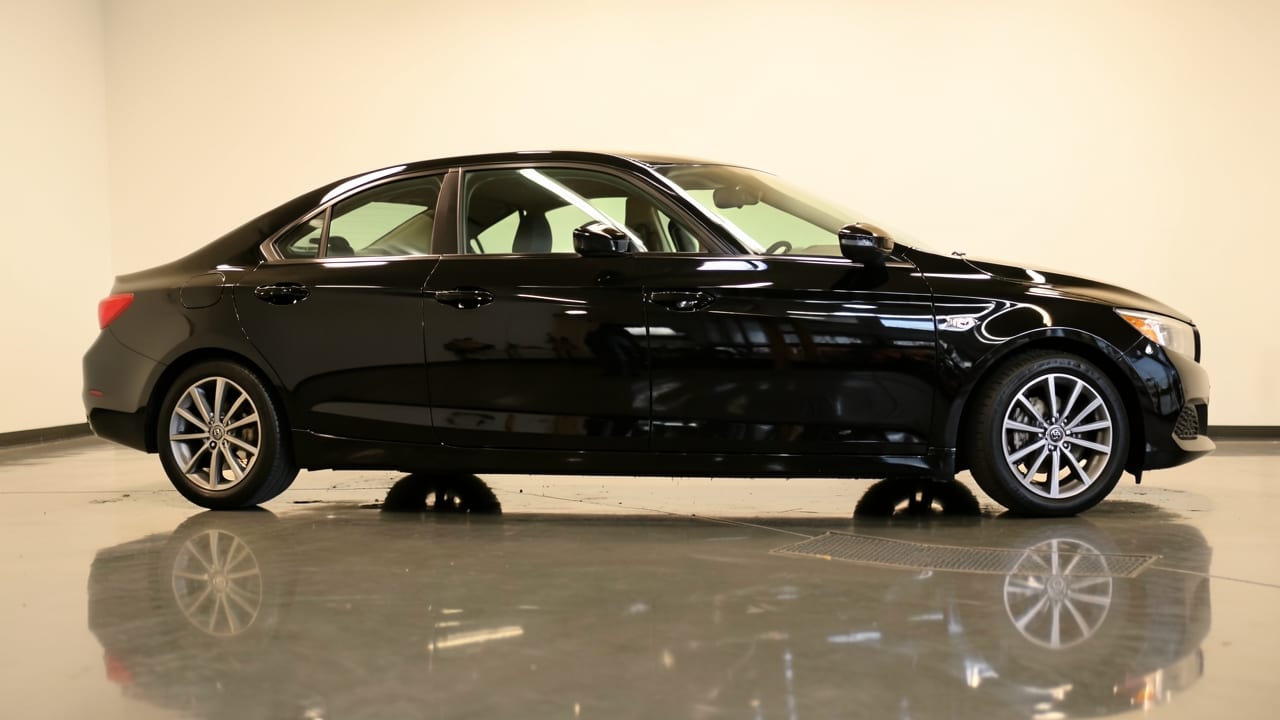
Pre-Event Showroom Gloss Enhancement in Temple Terrace, FL
Professional ceramic coating application to enhance vehicle paint gloss before events.
Learn More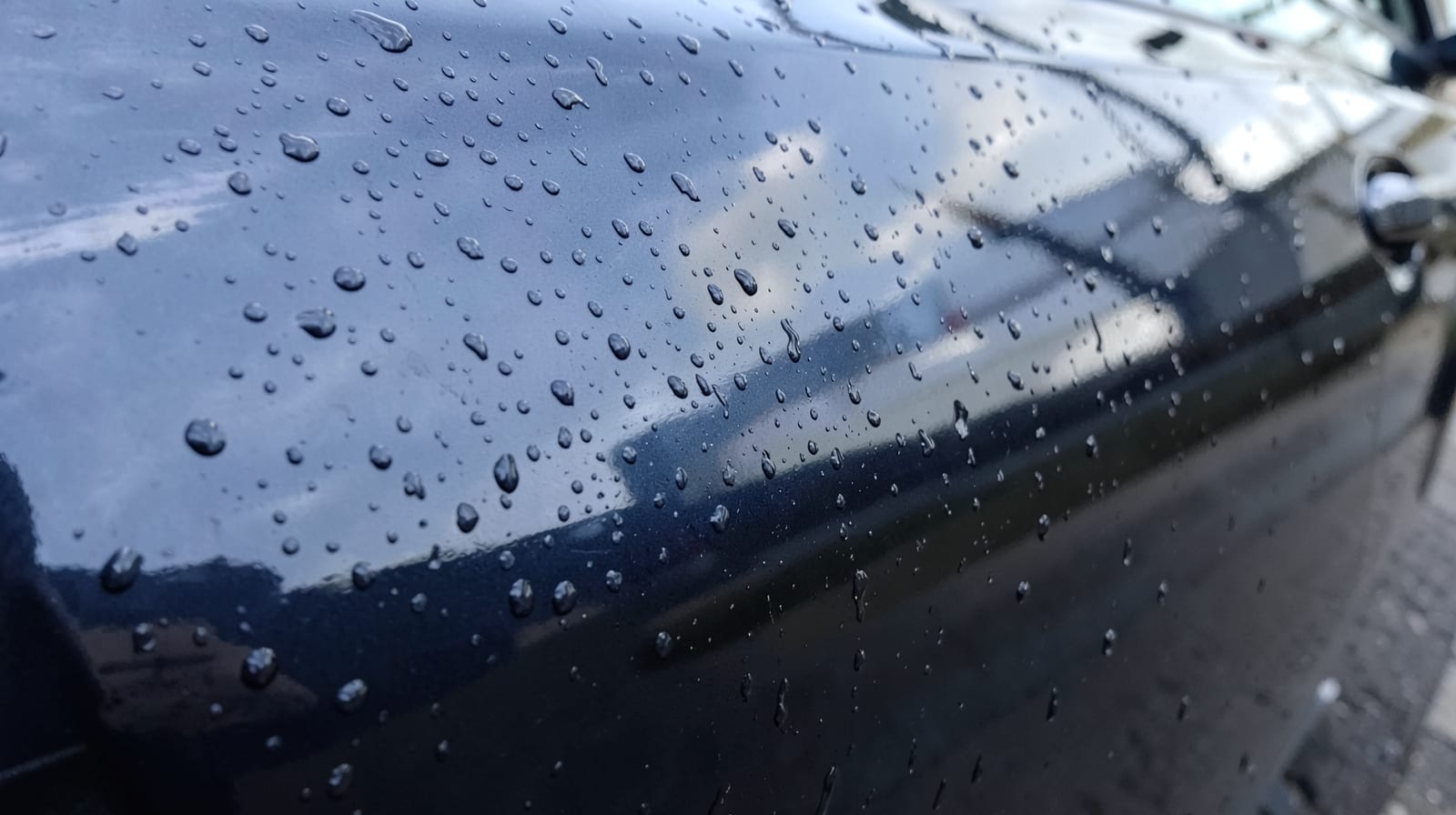
Full-Vehicle Ceramic Coating in Temple Terrace, FL
Professional nano-ceramic coating for vehicles in Temple Terrace, FL — a hard, semi-permanent SiO2 layer for deep gloss, strong hydrophobic protection, and easier washing.
Learn More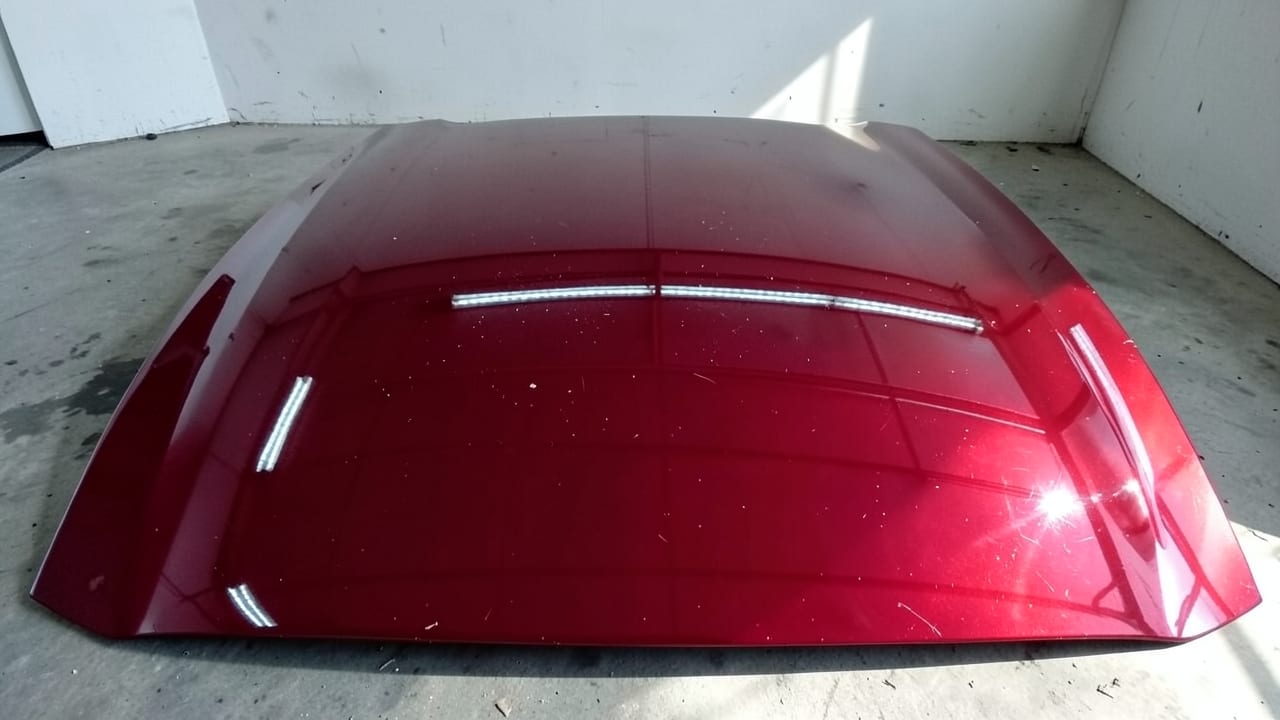
Paint Correction & Polishing in Temple Terrace, FL
Machine paint correction and polishing in Temple Terrace, FL — removes swirl marks, oxidation, and water spots, and is the mandatory first step before any ceramic coating.
Learn More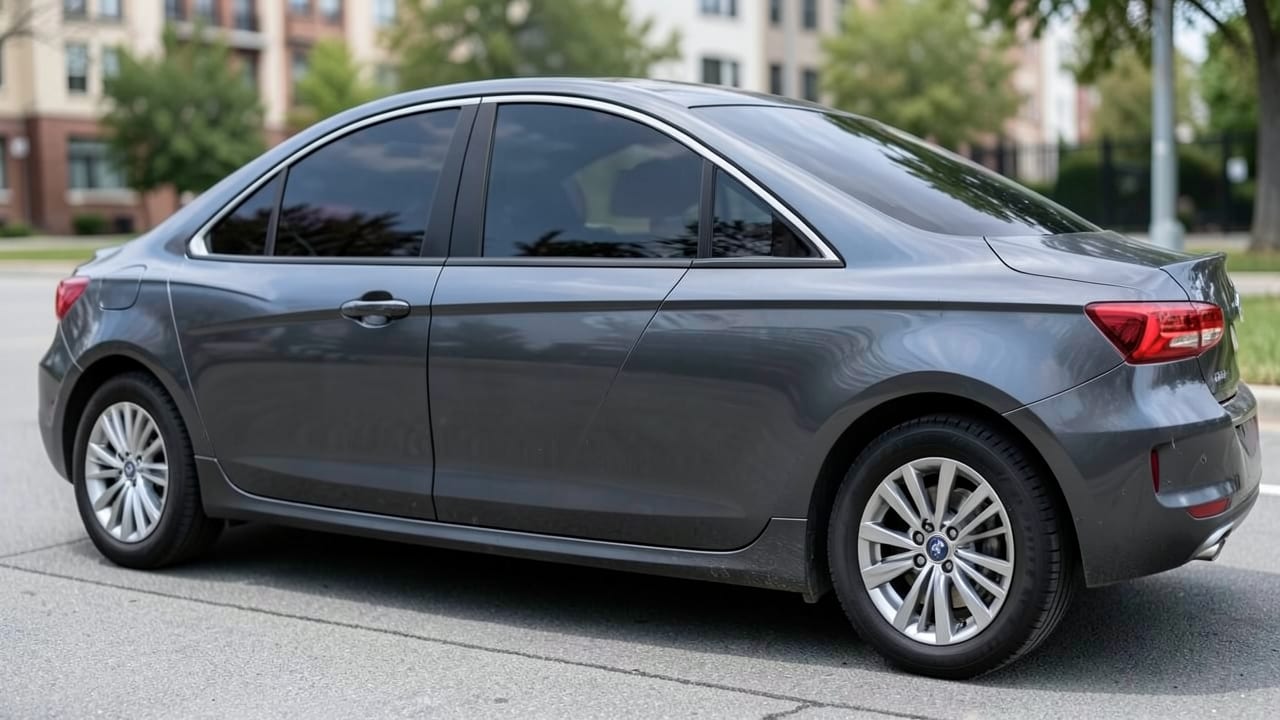
Ceramic Window Tint in Temple Terrace, FL
Nano-ceramic window tint in Temple Terrace, FL — rejects heat and blocks 99% of UV without the signal interference or fading of cheaper films.
Learn More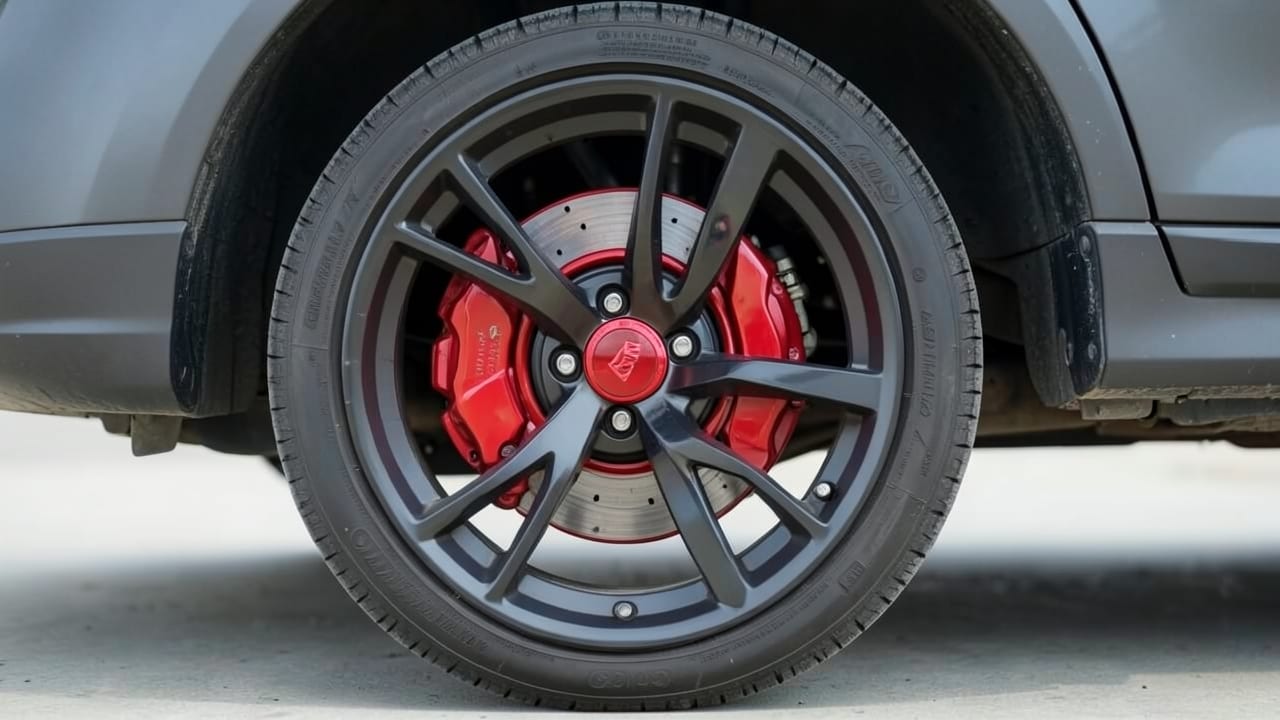
Wheel & Brake Caliper Ceramic Coating in Temple Terrace, FL
Dedicated ceramic coating for wheels and brake calipers in Temple Terrace, FL — stops brake dust and corrosive grime from bonding to the finish.
Learn More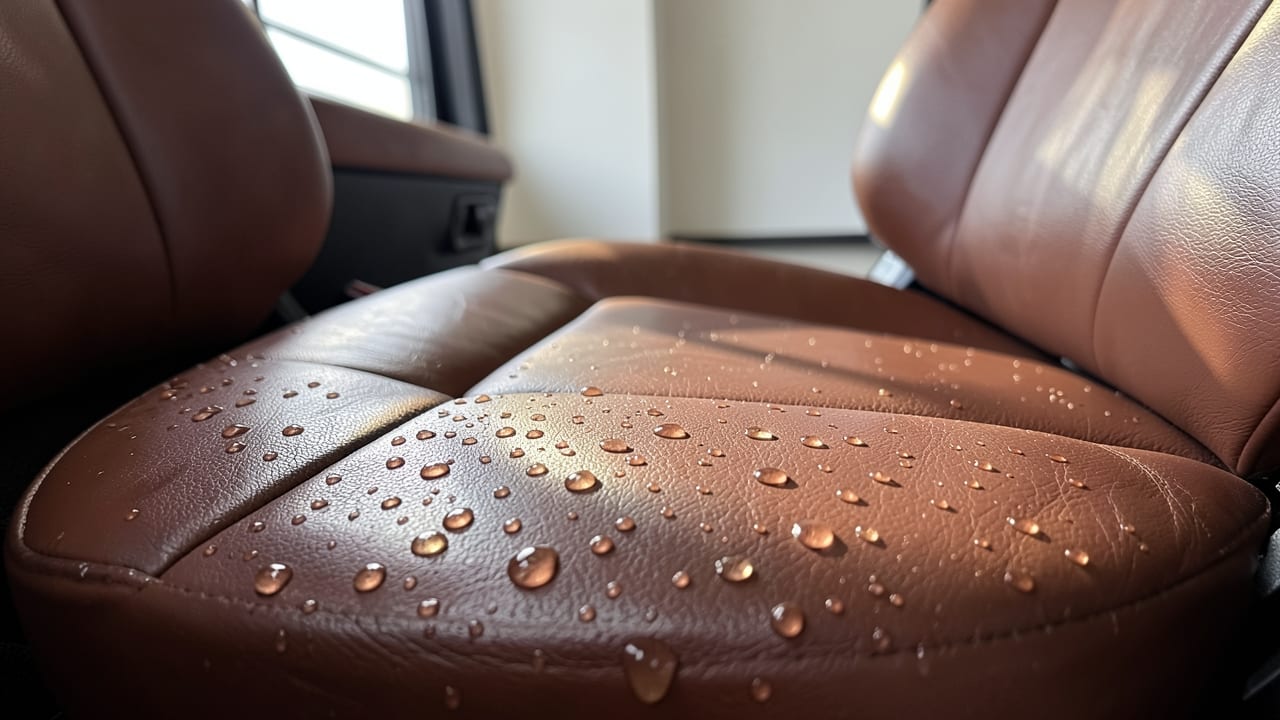
Interior Ceramic Protection in Temple Terrace, FL
Interior fabric, leather, and trim ceramic protection in Temple Terrace, FL — guards against spills, UV fading, and daily wear.
Learn MoreCommon Questions About Ceramic Coating in Temple Terrace
Everything you need to know about ceramic coating services in Temple Terrace
How much does Paint Protection Film (PPF) Installation typically cost in Temple Terrace, FL?
Does intense UV and dust in Temple Terrace, FL change coating maintenance?
What does proper paint prep before a ceramic coating actually involve?
How should a coated vehicle be washed after the coating is applied?
Will a ceramic coating stop rock chips or scratches?
What's the actual difference between wax, paint sealant, and ceramic coating?
Need Ceramic Coating in Temple Terrace?
Get a written quote from our Temple Terrace crew.
⏰ We answer your call • Serving all of Temple Terrace and surrounding areas