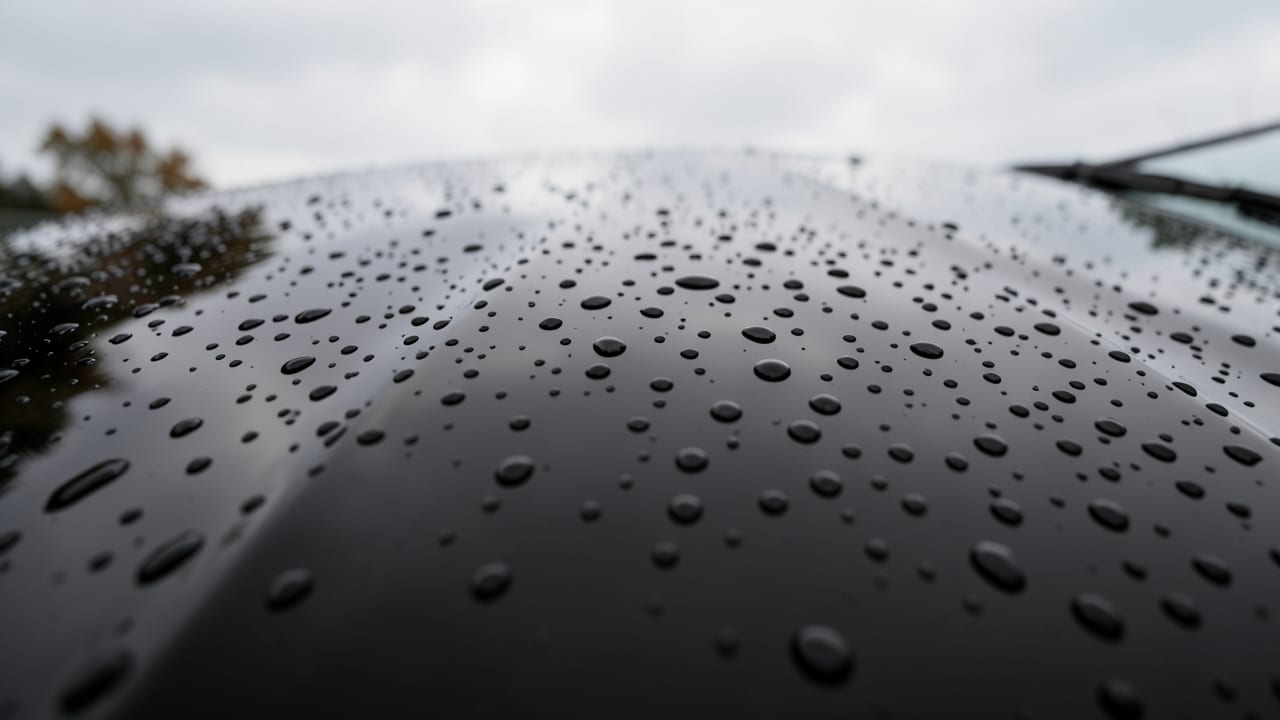
Pre-Winter Paint Sealant Application
Professional application of ceramic-based sealant to protect vehicle paint before winter.
As Temple Terrace’s winters bring salt, slush, and road debris, a pre-winter paint sealant application creates a protective ceramic layer over your vehicle’s exterior. This hydrophobic barrier helps repel water, contaminants, and corrosion, keeping your car’s finish intact during the colder months.
Proper application and maintenance extend the coating’s effectiveness, ensuring long-term protection tailored to Florida’s seasonal challenges.
We also handle Ceramic Window Tint and Wheel & Brake Caliper Ceramic Coating for Temple Terrace vehicles.
Why pre-winter sealant matters in Temple Terrace
Temple Terrace’s winter weather—even if mild compared to northern states—still introduces road salt, de-icing chemicals, and airborne grit that can dull or damage paint over time. A ceramic sealant acts as a shield, reducing the risk of oxidation, swirl marks, and water spots.
Without it, contaminants adhere more easily, accelerating wear and requiring costly repairs later.
The coating’s hydrophobic properties make cleaning easier, too. Water beads and rolls off, carrying dirt away instead of leaving streaks or mineral deposits. This self-cleaning effect cuts down on frequent washing while keeping your vehicle looking newer for longer.
However, the sealant’s performance depends on proper application and ongoing care—skipping steps like decontamination or using the wrong wash products can shorten its lifespan.
Signs your vehicle needs a sealant refresh
A fading sealant shows subtle but noticeable changes during routine washing. Water no longer beads into tight, rolling droplets but spreads wider or sheets across panels—a sign the hydrophobic layer is thinning.
Tactile clues include a loss of the slick, glass-like feel when running a hand over the paint, or grime that now requires scrubbing instead of rinsing away.
Visual dullness under direct light, even without scratches, is another red flag. If reflections appear less crisp or bug splatter sticks longer than before, the coating’s protective slickness is wearing down. These signs appear gradually, so addressing them early with a refresh or full reapplication helps maintain the finish’s longevity.
When to Reapply or Refresh
- Water beads spread or flatten instead of rolling off the surface
- Grime or bug splatter no longer rinses away with plain water
- Paint feels less slick to the touch (compared to a freshly coated vehicle)
- Dullness or loss of reflection sharpness is visible under bright light
What affects pricing and timing
The scope of prep work—including decontamination, clay bar treatment, and iron removal—directly impacts cost and duration. Skipping these steps can leave contaminants trapped under the coating, reducing its effectiveness.
For example, a vehicle with heavy rail dust or embedded brake dust may require extra cleaning before the sealant is applied, extending the job time.
The type of ceramic coating also plays a role. Single-layer coatings offer basic protection and are less expensive, while multi-layer or graphene-based formulas provide longer-lasting hydrophobic properties but at a higher cost. Additionally, the vehicle’s size and condition (e.g., prior damage or oxidation) can influence labor time and material needs.
| Factor | Impact on Pricing/Timing |
|---|---|
| Prep Work Scope (clay bar, iron removal, etc.) | More steps = higher cost and longer duration |
| Coating Tier (single-layer vs. multi-layer/graphene) | Higher tiers cost more but last longer |
| Vehicle Size and Condition | Larger or heavily contaminated vehicles take more time |
| Seasonal Demand | Prices may rise closer to winter as demand increases |
How pre-winter paint sealant application works
This process involves thorough cleaning, decontamination, and the application of a ceramic coating to protect your vehicle’s paint.
- 1Decontamination and Prep
The vehicle is washed with a pH-neutral soap to remove surface dirt, followed by a clay bar treatment to lift embedded contaminants like rail dust. Iron remover is applied to neutralize brake dust and other metallic particles, ensuring a clean base for the coating.
- 2Paint Correction (if needed)
Any swirl marks or light imperfections are addressed using fine polishing compounds to create a smooth surface. This step is skipped if the paint is already in good condition, but it’s critical for locking in a flawless finish.
- 3Coating Application
The ceramic sealant is applied in thin, even layers using a high-quality applicator. It’s spread across the vehicle’s exterior, avoiding wheels and trim, and allowed to cure according to the manufacturer’s guidelines—typically 24–48 hours before exposure to water.
- 4Curing and Protection
After curing, the vehicle is inspected for even coverage and gloss. Owners are advised on proper washing methods (two-bucket technique, pH-neutral soap) and maintenance to preserve the coating’s hydrophobic properties and extend its protective lifespan.
Frequently asked questions
Will a ceramic coating stop rock chips or deep scratches?
No, ceramic coatings add surface hardness to resist light swirls and UV damage, but they don’t provide impact protection. Rock chips or deep scratches can still occur, though the coating may make them less noticeable by preserving the underlying paint’s condition.
How often should I wash my car after getting a sealant?
A coated vehicle should be washed every 2–3 weeks using the two-bucket method and a pH-neutral soap. This interval helps prevent contamination buildup while avoiding the abrasion that can come from over-washing or using harsh soaps.
Can I use an automatic car wash after the coating is applied?
Automatic washes with brushes are not recommended, as they can introduce fine scratches from grit picked up from other vehicles. Touchless or hand-washing methods are safer for maintaining the coating’s integrity.
What should I do if my coating starts to fade before a year is up?
Fading can result from improper maintenance, such as using wax-stripping soaps or skipping decontamination steps. If you notice water beading poorly or loss of slickness, a refresh or reapplication may help, but addressing underlying issues—like consistent wash practices—is key to prolonging the coating’s effectiveness.
Where Temple Terrace sits, and what the Census lists nearby
Temple Terrace sits in Florida, and the closest places listed in the U.S. Census Gazetteer are East Lake-Orient Park (2.7 miles south), University (4.2 miles northwest), Thonotosassa (4.8 miles east), Mango (5.5 miles southeast).
Within 25 miles of Temple Terrace the same source lists 65 distinct incorporated places and census-designated places.
Those figures matter for pre-winter paint sealant application because they are straight-line distances between Census coordinate points: road mileage between Temple Terrace and East Lake-Orient Park runs longer than the 2.7 miles shown, which is why quotes for the same job differ between towns that look close together on a map.
Source: U.S. Census Bureau Gazetteer.
See Westchase, FL for more, or check out everything Temple Terrace vehicle owners can book with us step by step for our complete lineup.
Ready to get started?
Talk to a local ceramic coating pro in Temple Terrace — get a written quote.
Other Ceramic Coating Services in Temple Terrace
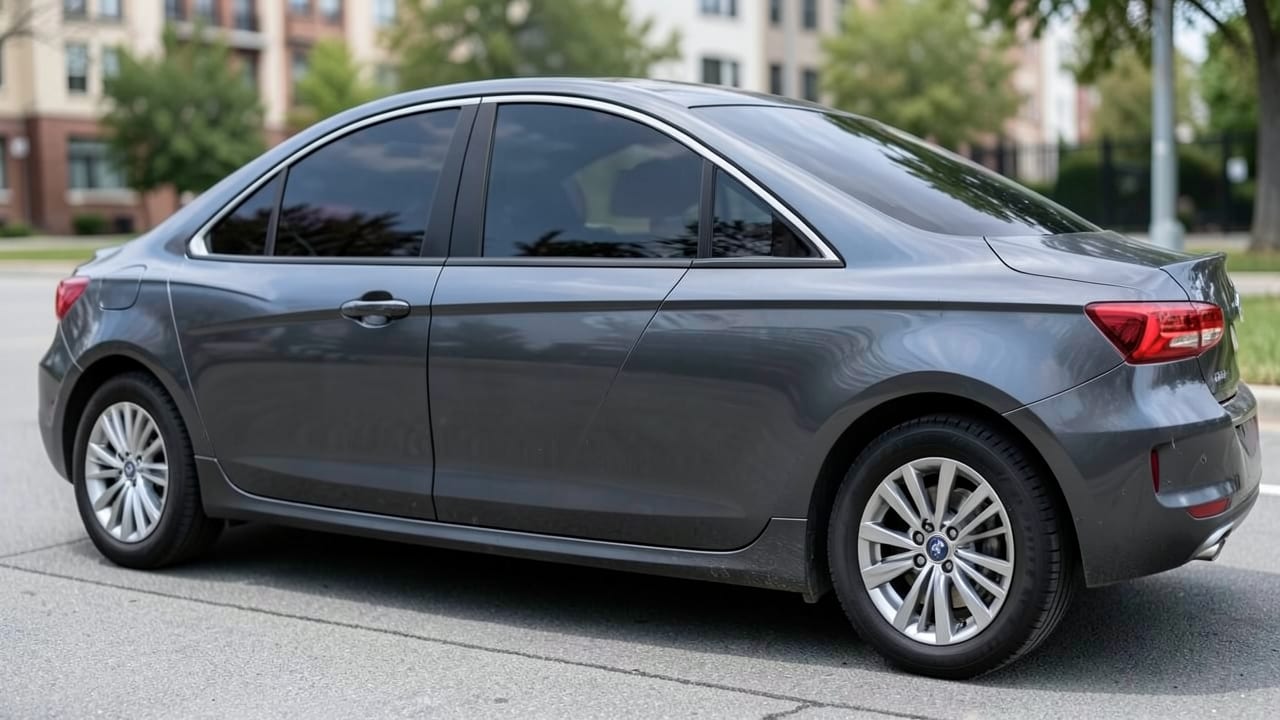
Ceramic Window Tint in Temple Terrace, FL
Nano-ceramic window tint in Temple Terrace, FL — rejects heat and blocks 99% of UV without the signal interference or fading of cheaper films.
Learn More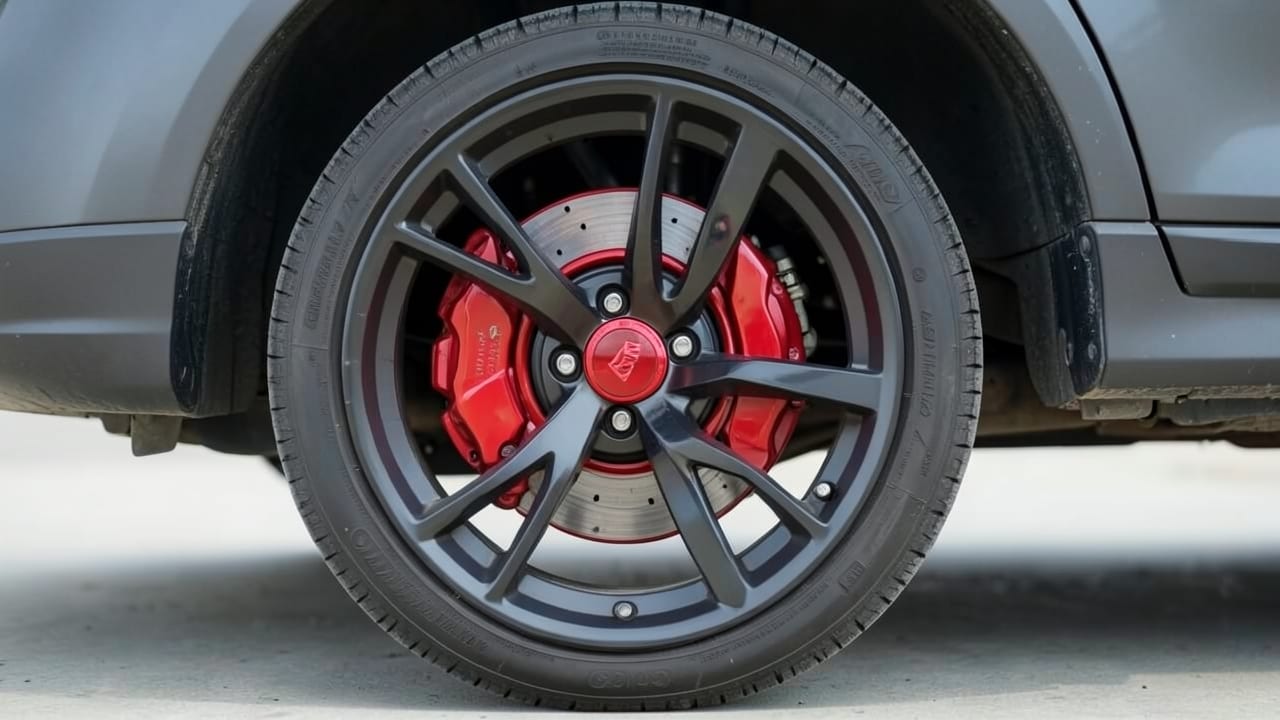
Wheel & Brake Caliper Ceramic Coating in Temple Terrace, FL
Dedicated ceramic coating for wheels and brake calipers in Temple Terrace, FL — stops brake dust and corrosive grime from bonding to the finish.
Learn More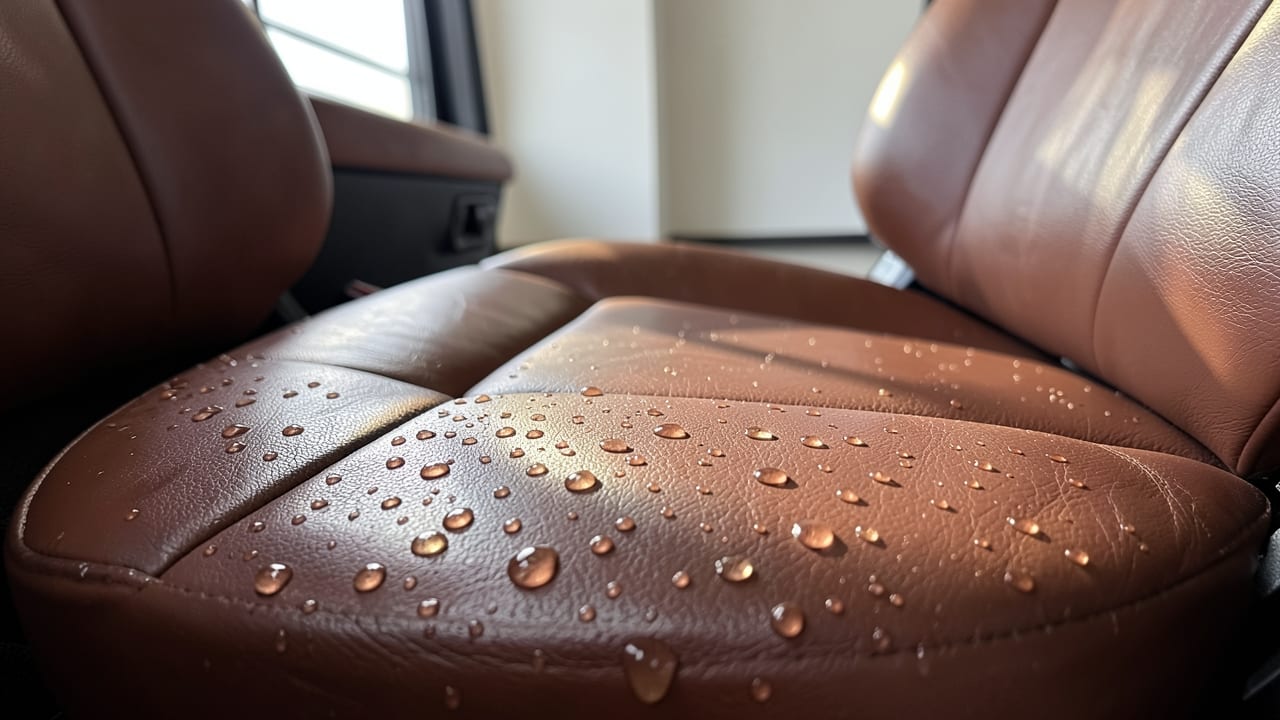
Interior Ceramic Protection in Temple Terrace, FL
Interior fabric, leather, and trim ceramic protection in Temple Terrace, FL — guards against spills, UV fading, and daily wear.
Learn More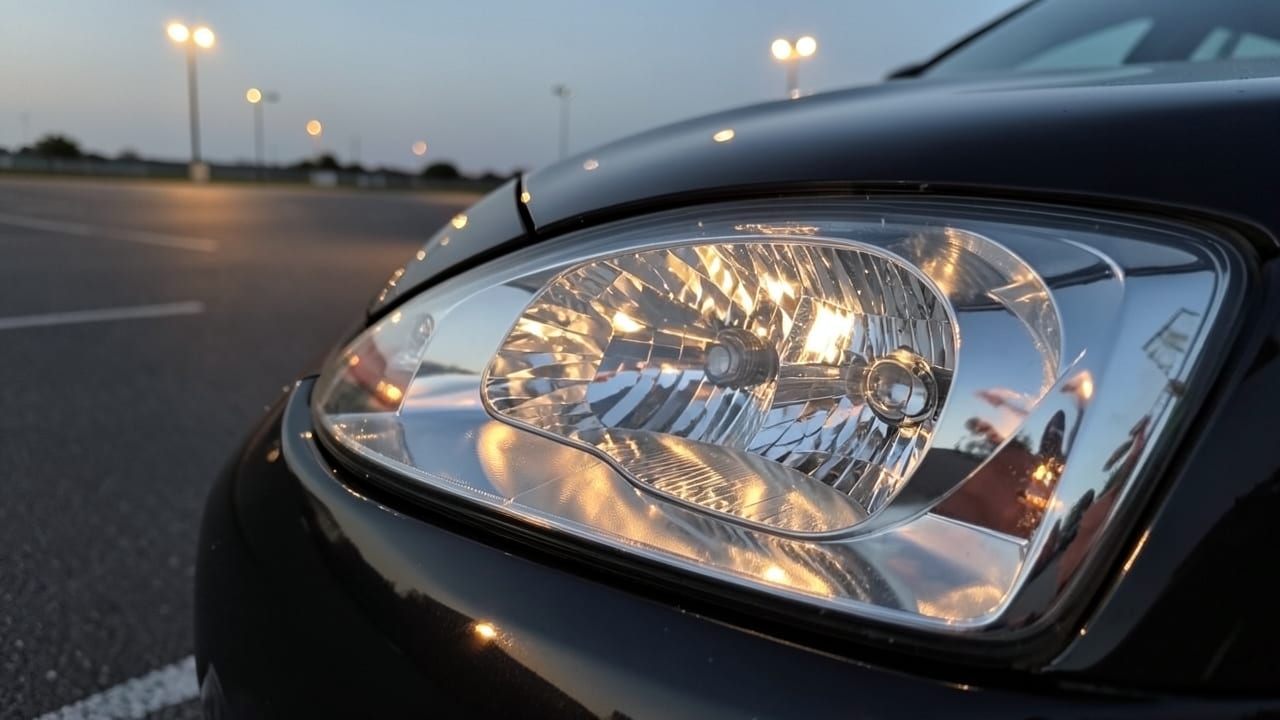
Headlight Restoration & Coating in Temple Terrace, FL
Headlight restoration and UV-protective coating in Temple Terrace, FL — restores clarity and nighttime visibility without replacing the assembly.
Learn More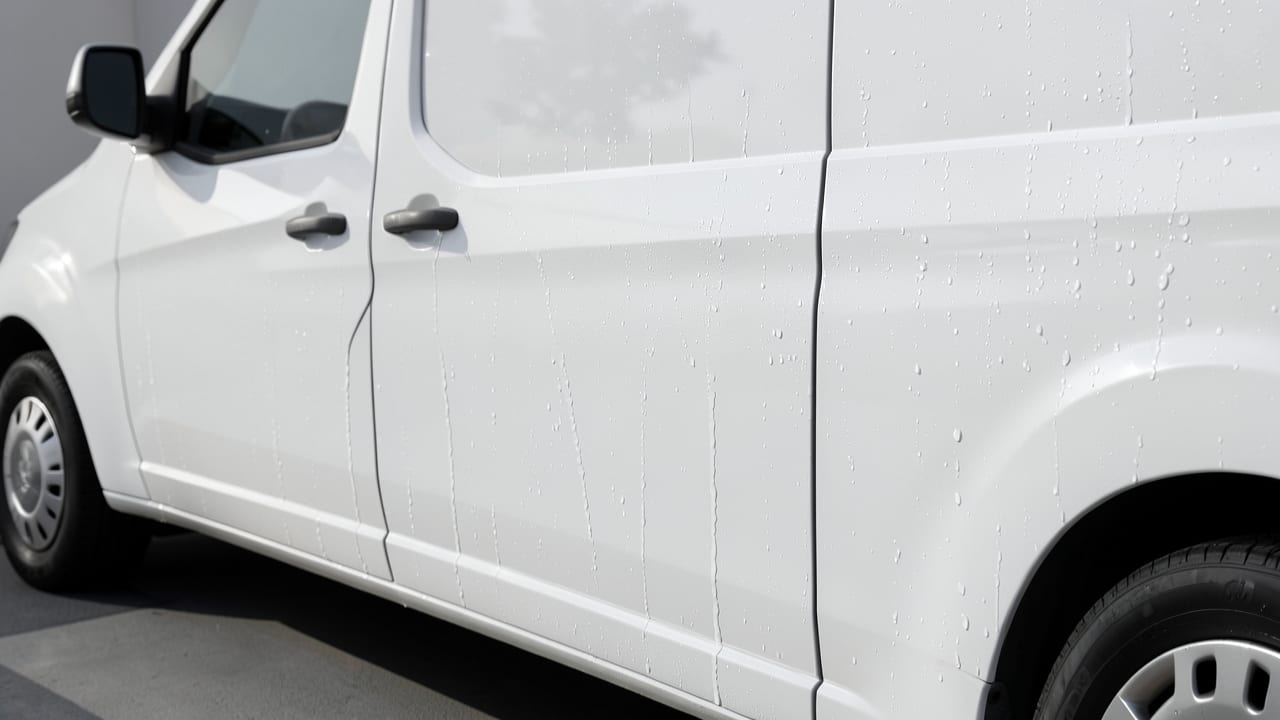
Fleet & Commercial Vehicle Coating in Temple Terrace, FL
Ceramic coating programs for fleets and commercial vehicles in Temple Terrace, FL — faster washing, longer-lasting branded wraps, and protected resale value.
Learn More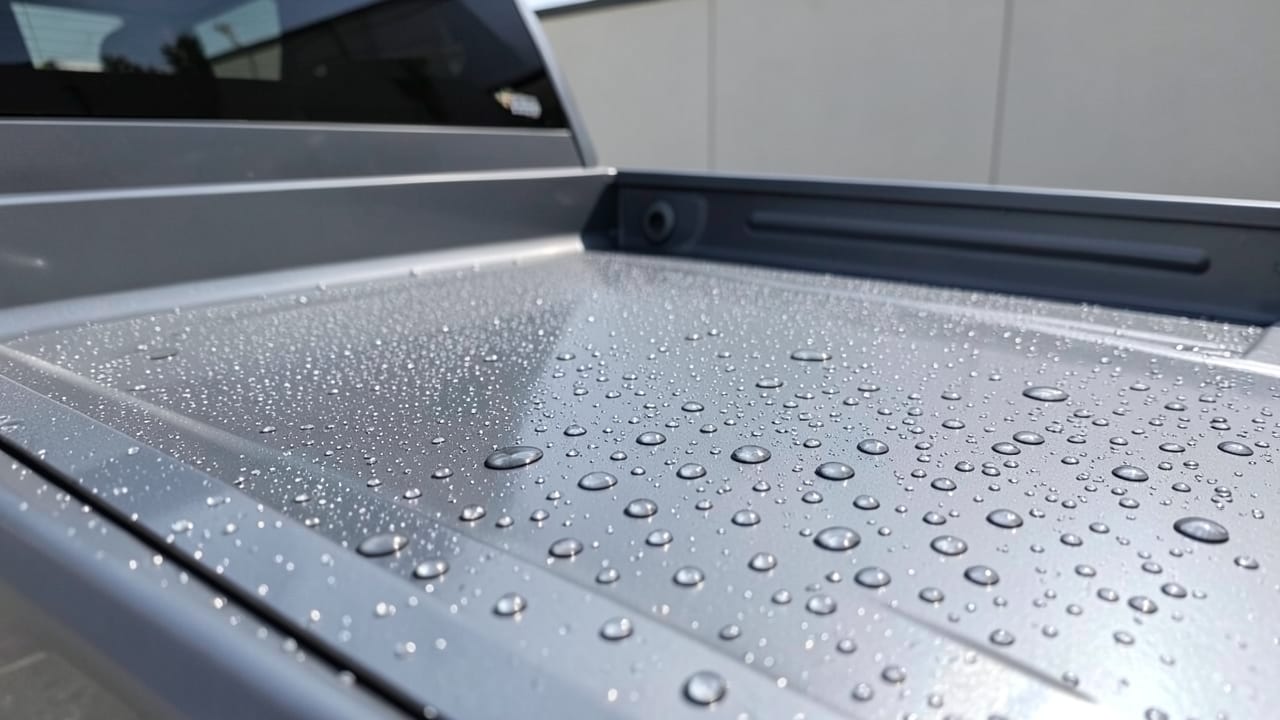
Graphene Coating in Temple Terrace, FL
Graphene coating in Temple Terrace, FL — a premium ceramic alternative with better heat rejection and hydrophobic durability.
Learn MoreCommon Questions About Ceramic Coating in Temple Terrace
Everything you need to know about ceramic coating services in Temple Terrace
How much does Pre-Winter Paint Sealant Application typically cost in Temple Terrace, FL?
Does intense UV and dust in Temple Terrace, FL change coating maintenance?
Can ceramic coating be applied over a vinyl wrap or matte paint?
What does proper paint prep before a ceramic coating actually involve?
How should a coated vehicle be washed after the coating is applied?
Will a ceramic coating stop rock chips or scratches?
Need Ceramic Coating in Temple Terrace?
Get a written quote from our Temple Terrace crew.
⏰ We answer your call • Serving all of Temple Terrace and surrounding areas